How Many Days Do You Need For A Yellowstone Winter Trip?
A day-by-day answer to trip length for a Yellowstone winter visit, from a single snowmobile tour day to a five-day loop, with road closures, tour durations and sample itineraries.
How Many Days Do You Need For A Yellowstone Winter Trip?
Most planners should budget three to four full days for a Yellowstone winter trip: one day for a guided snowmobile tour or snowcoach tour into the interior, one day for the drive-in Northern Range between Gardiner and Cooke City, and one or two buffer days for weather, road closures and a second oversnow excursion. Two days works if you only want one interior tour. Five or more days suits travelers combining Yellowstone with Grand Teton, dog sledding or a multi-day guided package. Once you've settled on your trip length, choosing the right home base matters too, and our comparison of Gardiner versus West Yellowstone for winter lodging explains which town fits each itinerary style.
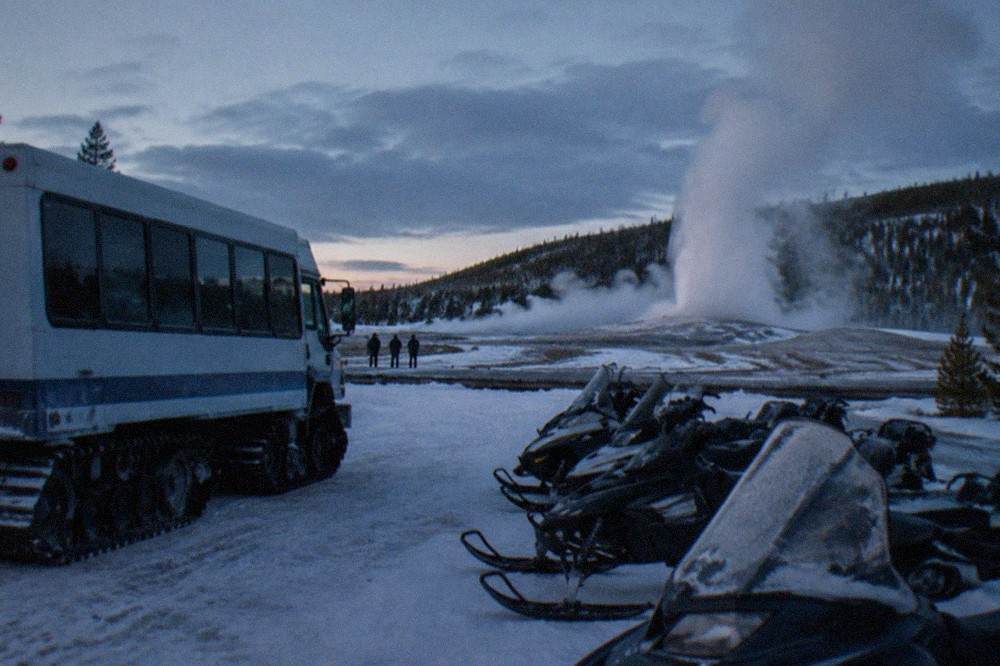
The honest answer starts with a fact that surprises many first-time winter visitors: from early November until roughly mid-December, and again from mid-March into late April, most of Yellowstone's interior is closed to almost everyone. The park's interior roads open to oversnow travel, meaning guided snowmobiles and snowcoaches, only from mid-December to mid-March, and the projected window for the 2026-27 season runs December 15, 2026 through March 15, 2027, weather permitting. The National Park Service lays out the current road status on its park roads page, and it is the single most important page to check before locking in dates.
That compressed season, plus the reality that interior tours run a full 10 to 12 hours door to door, is why trip length matters more in winter than in summer. A single guided snowmobile tour fills an entire day. Unlike July, when you can drive between Old Faithful and the Grand Canyon of the Yellowstone in an afternoon, in winter each interior destination is its own full-day commitment. If you're still weighing whether that kind of time investment pays off, our guide to whether a Yellowstone winter trip is worth it lays out what you actually get for the effort.
It also matters that winter is genuinely quiet here. NPS visitation statistics show January averaging around 28,837 visits, roughly 0.72 percent of annual visitation, a tiny fraction of what the summer months draw. You are not planning around crowds. You are planning around daylight, cold and road status.
If you want the fastest possible route into the interior, the three options below cover the one-day, heated-cabin and full-package approaches.
What A Two-Day Yellowstone Winter Trip Looks Like
Two days is the minimum that makes sense, and it works best as one full-day guided tour into the interior plus one day exploring the plowed Northern Range road between Gardiner, Mammoth Hot Springs, Tower Junction and Cooke City. Day one, book a commercially guided snowmobile tour or snowcoach tour, because unguided snowmobiling inside the park is prohibited. Day two, drive yourself through Lamar Valley for wildlife at your own pace.
The reason this pairing works is geography. The only park road open to regular vehicles year-round is the North Entrance (Gardiner) to Northeast Entrance (Cooke City) corridor via Mammoth and Tower Junction. Everything else requires oversnow transport once the winter season starts, which the NPS explains on its visiting Yellowstone in winter page. A two-day trip therefore splits cleanly: one day inside the oversnow interior with a guide, one day on your own schedule along the northern road.
The interior day is long. The Old Faithful full-day snowmobile tour from Jackson Hole, run by Scenic Safaris with hotel pickup in the Jackson area and entry through the South Entrance, runs roughly 10 to 12 hours. Vans collect riders in the early morning, often between 6:00 and 7:30 a.m., drive about 60 miles to the South Entrance, outfit everyone with suits, helmets and boots, and have the group on sleds by mid-morning. The ride covers stops like Moose Falls, Lewis Canyon, West Thumb Geyser Basin and Fountain Paint Pots before an eruption-viewing window and lunch at Old Faithful, returning to Jackson by early evening.
Two days leaves no slack. If a storm closes a road segment or the tour operator reschedules, your trip is done. Winter travelers who can only spare two days should build them around one firm booking and treat the second day as flexible.
The Three- To Four-Day Trip: Why Most Planners Settle Here
Three to four days is the sweet spot most experienced winter planners land on: one snowmobile tour day, one snowcoach or second-tour day, one Northern Range wildlife day, and a fourth day as weather insurance or a near-park activity like a Bridger-Teton National Forest ride. Reputable planning sources consistently suggest a minimum of three full days for a first winter visit, with four to five ideal for a relaxed pace.
The logic is simple once you see the tour durations side by side. Every interior tour from the Jackson area is a dawn-to-dusk commitment, and the Grand Canyon of the Yellowstone route, also run by Scenic Safaris from Jackson hotel pickup via the South Entrance, runs approximately 12 hours. Trying to stack two interior destinations into one day is not realistic. One day per destination is the winter rule.
| Day | Focus | Time commitment | Notes |
|---|---|---|---|
| 1 | Old Faithful snowmobile tour | 10-12 hours | From $475, rated 4.6 across 338 reviews |
| 2 | Grand Canyon of the Yellowstone tour | ~12 hours | |
| 3 | Northern Range self-drive | Flexible | Gardiner to Cooke City, open to cars year-round |
| 4 | Near-park forest ride or rest day | 3-9 hours | Outside the park, in Jackson Hole or Bridger-Teton |
The fourth day is where a winter trip stops feeling rushed. Snow conditions in Yellowstone change fast, and the park's own guidance notes that avalanche danger and storms can close road segments without much notice, with no refunds or rescheduling for weather on permit-based programs. A buffer day lets you absorb a cancellation without losing the trip.
For travelers based in Jackson Hole rather than West Yellowstone, the fourth day can also be a near-Yellowstone riding day outside the park. The Bridger-Teton National Forest around Moran and Buffalo Valley carries hundreds of miles of groomed trail, and a guided snowmobile tour there costs less and takes half the time of an in-park day.
Five Days Or More: The Full Winter Yellowstone Loop
Five days or more is the right span for the full winter Yellowstone loop, suiting travelers who want to combine the park's interior with Grand Teton, join a multi-day guided package, or keep a slower pace built around wildlife viewing and cross-country skiing. With that much time, you can cover the full loop and still let the days breathe. At this length you are no longer fitting the park into a weekend; you are building a winter itinerary, and the binding constraint shifts from available time to stamina and budget. Consecutive cold days on a sled add up, so pace matters as much as day count.
The most direct way to spend five days is a package. The BrushBuck 4-day Grand Teton and Yellowstone winter tour from Jackson, Wyoming covers both parks across roughly four days and is priced from $2,089. It carries only 9 reviews so far, rated 5.0, but it represents the structure of a longer winter trip: consecutive guided days, lodging logistics handled, and both parks covered without you stitching together separate bookings.
Longer trips also open up the format question: snowmobile versus snowcoach. A heated snowcoach tour covers similar routes, including the Old Faithful run from Jackson Hole at roughly 12 hours, from $450 and rated 4.8 across 227 reviews. Note that both the snowcoach product and the Grand Canyon snowmobile sibling showed "product unavailable" on a recent direct listing check during the September off-season, so confirm current availability with the operator before building an itinerary around them. Winter-only products often open their booking windows closer to the season.
Five-day planners should also think about where the extra days physically go. Jackson makes a strong single base: it sits roughly 115 miles from West Yellowstone in winter routing, but it is the departure point for every in-park Scenic Safaris tour plus the near-park forest rides. Travelers who want to compare the two gateway towns in depth can read the Jackson Hole versus West Yellowstone comparison before booking lodging.
How Winter Road Closures Shape Your Trip Length
Winter road closures are the real reason trip length is not negotiable: with most interior roads closed to cars from early November through late April, every interior sight requires a guided oversnow tour, so each destination costs a full day. The only exception is the Gardiner-to-Cooke City corridor, which stays plowed and open to regular vehicles all year.
This is the structural fact behind every itinerary above. In summer, a family can drive from Old Faithful to Canyon to Lamar Valley in one long day. In winter, that same loop is impossible in any vehicle you drive yourself. The National Park Service details the year-round corridor and the oversnow schedule on its road status page, and the page is updated in-season as segments open and close.
Closures also bite mid-trip. Sylvan Pass on the East Entrance Road can shut for hours or days on avalanche danger, and fresh research confirms the East Entrance sees limited commercial oversnow service compared with the West and South Entrances. Cell coverage is unreliable across most of the winter park, so a road problem on day two can quietly consume day three. Longer trips absorb this. Two-day trips cannot. That's why basing yourself on the west side makes more sense than rolling the dice on the East Entrance road itself, even though the gateway town of Cody at the far end of it has its own solid services.
One more closure-adjacent factor: the oversnow season itself is short. If your dates fall in early December or late March, there may be no interior access at all, which converts a "three-day Yellowstone winter trip" into a Northern Range trip plus near-park activities. Check the projected dates for your season before booking flights.
Sample Day-By-Day Winter Itineraries
A practical way to size the trip: two days covers one interior tour plus the Northern Range, three days adds a second interior destination, four days adds a near-park forest ride or a true buffer, and five days absorbs a Grand Teton combination. The table below turns that into a plan you can book against, day by day.
| Itinerary | Day 1 | Day 2 | Day 3 | Day 4 | Day 5 |
|---|---|---|---|---|---|
| Two days | Old Faithful snowmobile tour | Northern Range self-drive | |||
| Three days | Old Faithful snowmobile tour | Grand Canyon tour | Northern Range self-drive | ||
| Four days | Old Faithful snowmobile tour | Northern Range self-drive | Forest ride near the park | Buffer / snowcoach | |
| Five days | Old Faithful snowmobile tour | Grand Canyon tour | Northern Range self-drive | Grand Teton day | Buffer |
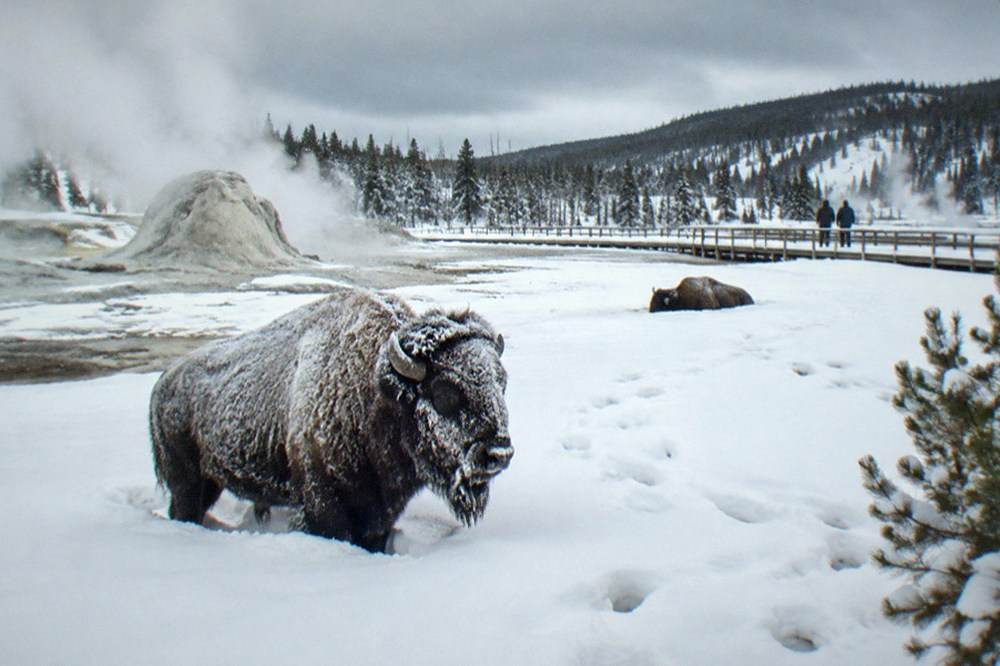
Two notes on filling these grids. First, the Northern Range day deserves its own slot: Lamar Valley in winter is one of the best places in North America to watch wolves, bison and elk against snow, and it costs nothing beyond the entrance pass. Second, the "forest ride" day is a real product category, not filler. Jackson Hole sits beside the Bridger-Teton National Forest, where guided tours run outside Yellowstone at friendlier prices and shorter durations.
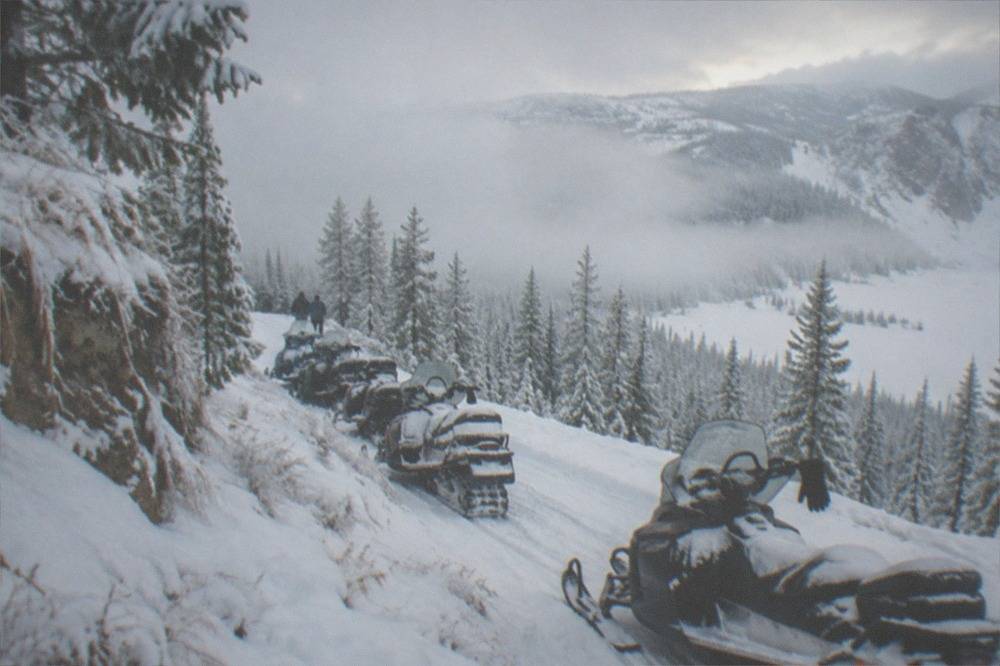
One strong example is the Turpin Meadow snowmobile tour out of the Moran area: it runs roughly 5.5 to 9 hours depending on the option, is rated 4.9 across 26 reviews, and starts from $300. Riders on this route see the same deep-powder mountain scenery that draws people to the region, without the park's guide-equipment-and-duration requirements, and it makes an excellent day three or four when the interior days are already booked.
Which Tours Fit Each Trip Length
Match your tour to your day count: travelers on short trips should book one high-yield interior tour, those on medium trips can add a second interior destination, and visitors on long trips can justify either a multi-day package or a day spent on a forest ride near the park. Duration and price are the two variables that decide it, and both vary widely across the roster.
For a two- or three-day trip, the Old Faithful snowmobile tour is the highest-yield single booking: it delivers geysers, thermal basins, wildlife and a full interior crossing in one 10-to-12-hour day, from $475. It is the tour this site's own Old Faithful snowmobile tour guide covers in detail, including what the day hour-by-hour actually feels like.
For four days, add either the snowcoach format or a Grand Canyon day. The snowcoach suits travelers who want the interior without riding a sled in cold weather; the canyon route suits riders who want the park's most dramatic winter scenery, ice-framed Lower Falls viewed from groomed-road viewpoints such as Artist Point. Note the fixed closures there: the upper Artist Point platform and the brink of both falls are closed to all winter visitors.
For five days and up, either book the 4-day package or assemble your own combination with a night or two in Jackson. Travelers weighing lodging location should read where to stay in West Yellowstone for a snowmobile tour, since gateway choice changes drive times more in winter than at any other time of year.
Whatever the length, the booking itself is the anchor. A guided snowmobile tour into Yellowstone's interior is the one reservation that cannot be improvised, because commercial guiding is mandatory and seats per day are limited. This site, Yellowstone Snowmobile Tours, exists to make that one decision easier.
The bottom line on trip length: count your interior destinations, add one day for the Northern Range, and add one buffer day if your dates are fixed and non-refundable. Most travelers land on three or four days, and most of them come back wishing they had booked the fifth.
Common Questions About Yellowstone Winter Trip Length
How Many Days Do You Need for a Yellowstone Winter Trip?
Plan on three to four full days: one for a guided snowmobile or snowcoach tour into the interior, one for a second interior destination or the Northern Range, and one or two buffer days for weather and road closures. Two days works for a single-tour trip; five or more suits a Grand Teton combination or a multi-day package.
Can you see Yellowstone in winter in one day?
Partially. One full-day guided snowmobile tour or snowcoach tour can reach Old Faithful and several geyser basins, but the Grand Canyon of the Yellowstone, Lamar Valley and Grand Teton each require their own day. One day is a taste, not a tour of the park.
What is the minimum trip length if I only want one snowmobile tour?
Two days. The interior tours run 10 to 12 hours door to door, so the tour consumes a full day, and a second day covers the plowed Northern Range road from Gardiner toward Cooke City, which is the only park road open to regular vehicles in winter.
Why does winter trip length depend on road closures?
Most interior roads close to cars from early November through late April and reopen only to guided oversnow travel from mid-December to mid-March. Every interior sight therefore requires a guided tour, and each destination costs a full day, which is why winter itineraries need more days per sight than summer ones.
Is a four-day package better than booking separate tours?
It depends on your style. A package like the 4-day Grand Teton and Yellowstone winter tour from Jackson, from $2,089, handles logistics across both parks. Booking separate tours gives you more control and can cost less if you only want one or two interior days, but it leaves you managing pickup times, lodging and weather risk yourself.
What should I do if a storm closes roads mid-trip?
Use your buffer day. Interior segments and Sylvan Pass can close for hours or days on avalanche danger or storms, and weather-based cancellations on permit programs carry no refund. Build at least one flexible day into any trip of three days or longer, and check the NPS road status page each morning.