What Is Considered The Snowmobile Capital Of The World?
West Yellowstone, Montana is widely called the snowmobile capital of the world. Here is why the town earned the title, how it compares to other Yellowstone gateways, and what it means for planning a winter tour.
What Is Considered The Snowmobile Capital Of The World?
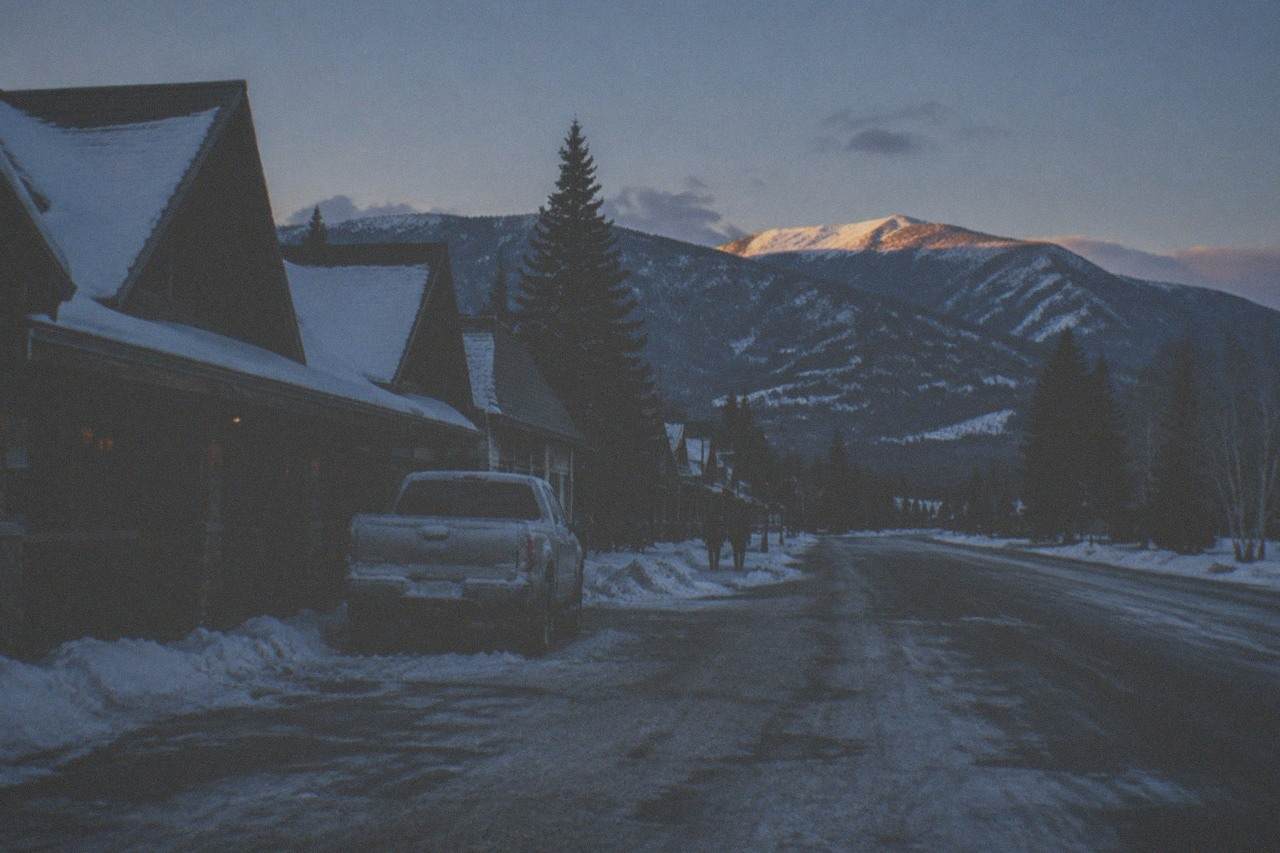
West Yellowstone, Montana, is widely considered the snowmobile capital of the world, a nickname found in local tourism materials and decades of gateway-town reporting, earned by historically handling the majority of park snowmobile entries, roughly 55,000 through the West Entrance in peak seasons, and sitting at the center of vast groomed forest trails. It is not an official National Park Service designation, but few towns argue the point.
The title is not self-awarded. It grew out of numbers that any snowmobiler can still feel on the ground today. In peak seasons the West Entrance alone processed in the neighborhood of 55,000 snowmobile entries into Yellowstone, more than any other gate, and the town's winter economy has leaned on that traffic for decades. Historical reporting on gateway towns notes millions in winter visitor spending flowing directly from sledding, with rental shops, guides, motels and trail grooming operations all arranged around a single question: where do riders launch today?
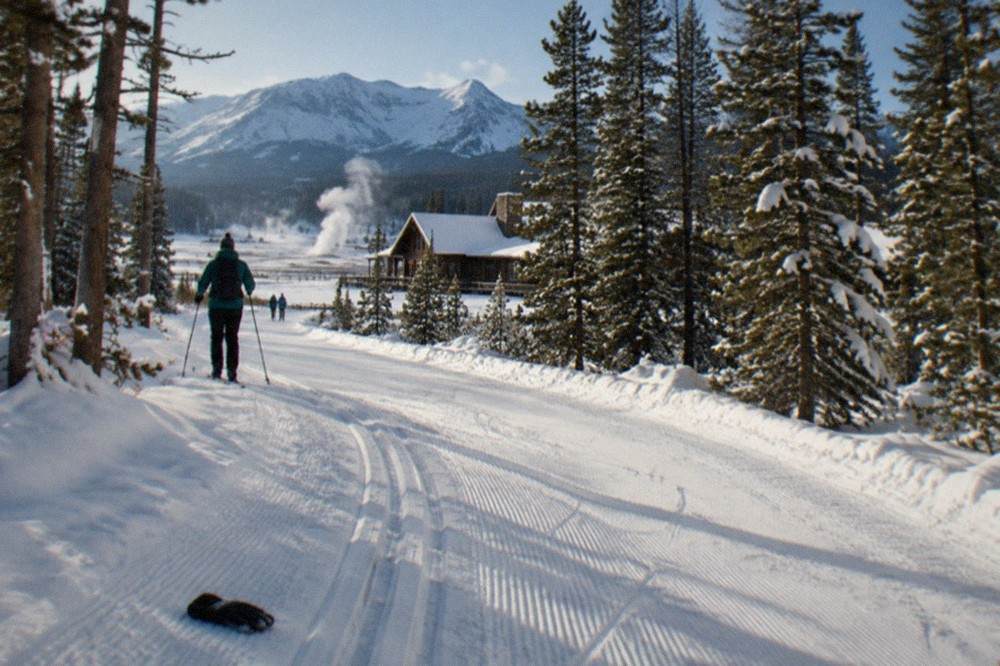
Beyond the park boundary, the trail system is what separates West Yellowstone from every other claimant to the crown. Hundreds of miles of groomed routes run through the surrounding Gallatin and Beaverhead-Deerlodge national forest lands, linking the town to play areas, meadows and high-country riding without ever entering the park. A rider can base in town, ride forest trails for days, and cross into Yellowstone's interior on a guided day when the geyser basins call. That combination of in-town convenience and backcountry reach is the practical backbone of the snowmobile capital of the world claim, and it is why Yellowstone Snowmobile Tours spends so much of its planning coverage on this one gateway.
For a site dedicated to Yellowstone winter travel, the question resolves neatly onto the product. The nickname points riders toward West Yellowstone, and the town's role as the primary launch point is why guided snowmobile tour infrastructure clusters so heavily here. If you are weighing where to book, the in-park trio below covers the two classic interior routes and the heated snowcoach alternative for riders who want the scenery without the handlebars.
Why West Yellowstone Holds The Snowmobile Capital Title
Three forces earned West Yellowstone the snowmobile capital title: sheer gateway volume into Yellowstone, a dense web of groomed national forest trails radiating from town, and an economy that treats winter riding as its main event. Dozens of rental and tour operators work out of a town of a few thousand residents, and local events, lodging packages and trail grooming all exist to serve riders first. That depth of infrastructure is the difference between a nickname and a lived reality.
Start with geography. West Yellowstone sits literally at the West Entrance, the closest any town sits to any oversnow gate. Riders can be on a groomed park road within minutes of leaving their hotel, a logistical fact that Jackson Hole and Cody simply cannot match. When the interior opens to snowmobiles each winter, typically from mid-December through mid-March per National Park Service guidance, the West gate becomes the funnel through which most park sledding traffic passes.
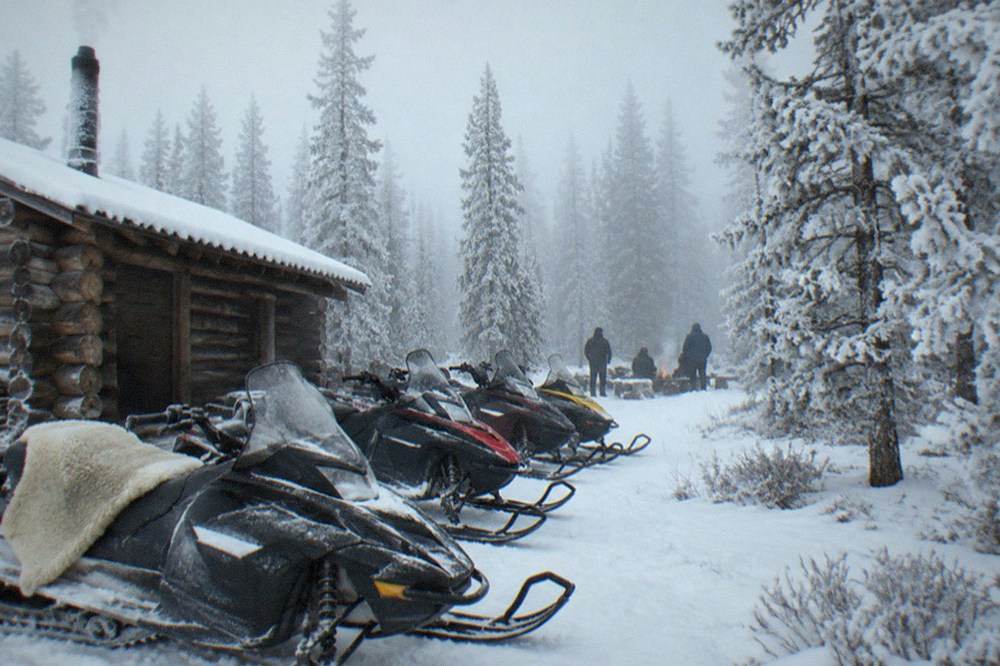
Then add the trail miles. The surrounding forest lands offer hundreds of miles of groomed routes, and the town markets itself on that inventory as much as on park access. Two Top, Yellowstone Adventures, Highmark Rentals and a string of other operators run rental and tour programs from town, and properties offer winter lodging packages tied directly to sledding. Historical coverage of the town's snowmobile economy describes a place where the identity is not seasonal marketing but the organizing principle of local life, from volunteer grooming clubs to late-season festivals.
One honest caveat belongs in any fair answer. The snowmobile capital of the world label is not an official National Park Service designation, and no federal plaque exists. It is a claim sustained by visitor counts, trail infrastructure and decades of consistent third-party reporting, which is a strong basis for a nickname but worth stating plainly. Towns in the Upper Midwest and Canada occasionally contest the superlative for their own trail systems, and riders who care about the debate will find passionate partisans on all sides. For Yellowstone-bound riders, though, the question is practical rather than promotional: West Yellowstone is the town built around the riding you came to do.
Our dedicated guide to West Yellowstone snowmobile tours breaks down the operator landscape in more depth if you are comparing outfitters.
How The Snowmobile Capital Compares To Other Yellowstone Gateways
West Yellowstone is the snowmobile capital because it combines direct oversnow access with trail infrastructure, but the other winter gateways each offer something different: Jackson Hole pairs park tours with a larger resort town and Grand Teton scenery, Gardiner offers the only year-round car road for self-drive wildlife viewing, and Cody's winter role is minor since the East Entrance sees limited commercial oversnow service. No other gateway matches West Yellowstone's sledding focus.
The National Park Service's road pages lay out the underlying asymmetry: once winter oversnow status begins, the only road open to regular vehicles runs between the North Entrance near Gardiner and the Northeast Entrance at Cooke City. Every other entrance becomes a launching point for guided snowmobile and snowcoach travel, per the NPS park roads page. How each town serves that reality differs sharply.
| Gateway | Winter role | Best for | Snowmobile access to park interior |
|---|---|---|---|
| West Yellowstone, MT | Primary sled hub, dense rental and guide scene | Riders wanting trail days plus park interior trips | Guided tours from the West Entrance, plus forest trails |
| Jackson Hole, WY | Larger resort town with park tours and Grand Teton access | Combining a sled day with lodging, dining, skiing | Guided tours enter via the South Entrance with hotel pickup |
| Gardiner, MT | Year-round car access to the Northern Range | Self-drive wildlife viewing, no sled needed | Not a snowmobile departure point for interior tours |
| Cody, WY | Summer East Entrance gateway, minimal winter oversnow role | Summer trips, regional riding outside the park | Limited to no regular commercial oversnow service via Sylvan Pass |
Jackson Hole deserves particular attention here because it is where the guided in-park tours actually stage. The Scenic Safaris winter products, including the Old Faithful full-day snowmobile tour and the Old Faithful snowcoach, run on hotel pickup in the Jackson area and enter the park through the South Entrance. Jackson offers a bigger town, more lodging and dining, and the chance to fold a Grand Teton day into the same trip, which many winter travelers prefer even if it means a longer transfer to the snow. Our Jackson Hole versus West Yellowstone comparison walks through that trade-off in full.
Cody's situation is the one most worth clarifying, because marketing copy sometimes overstates it. Fresh research on winter gateways confirms the East Entrance road over Sylvan Pass sees limited or no regular commercial oversnow service compared with the western and southern gates, and avalanches can close that road for hours or days at a time. Cody is a genuine summer gateway and a fine base for riding outside the park, but a winter visitor who books Cody expecting a commercial snowmobile tour into Yellowstone's interior is likely to be disappointed. The honest routing for Cody-based travelers is the South Entrance products out of Jackson.
Riding Into Yellowstone From The Snowmobile Capital
Every snowmobile inside Yellowstone must travel with a guide: either a commercially guided tour or a permit holder under the Non-Commercially Guided Snowmobile Access Program, a lottery system that admits up to four small groups per day. That rule, from the 2013 Winter Use Rule, is why guided tours are the main way visitors reach Old Faithful and the canyon in winter. For most travelers, a commercial tour is simpler and far more available.
The regulation is unambiguous and it is the single most important fact in winter Yellowstone planning. Unguided snowmobile access inside the park is prohibited, per the NPS snowmobiling page. The non-commercial program offers a self-guided alternative, but it is narrow by design: permits cost $40 per day plus a $6 application fee, groups are capped at five snowmobiles, trips run a maximum of three days, and the lottery on Recreation.gov admits only a handful of groups daily. Most riders never see the inside of that lottery. The Recreation.gov permit page carries the full terms for anyone curious about the self-guided route.
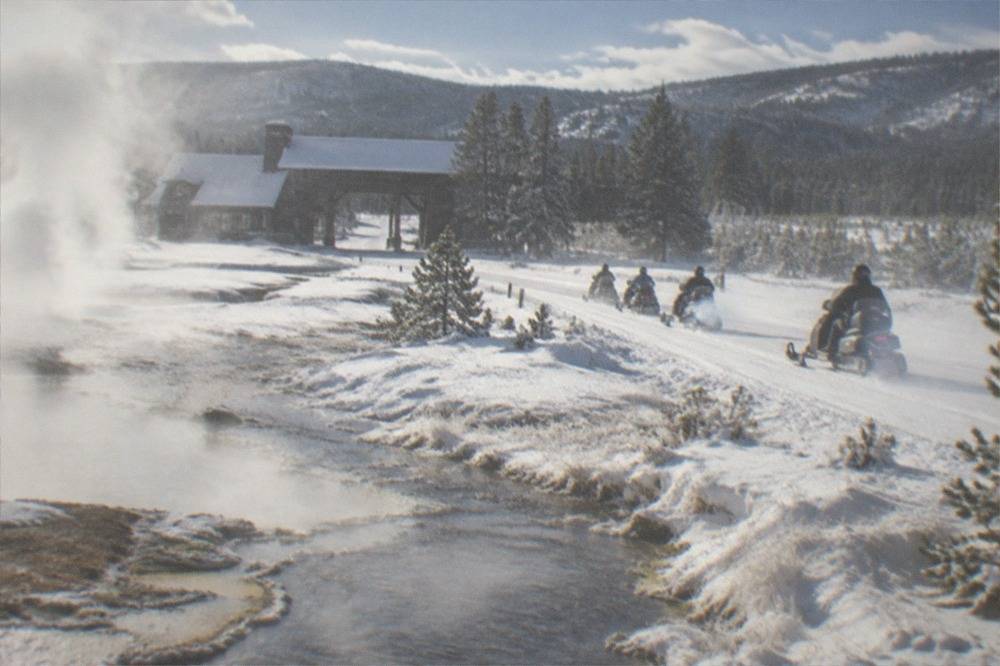
Commercial guided tours, by contrast, run daily through the season. The classic full-day itinerary follows a pattern riders on these routes know well: an early pickup or shop check-in, outfitting with suits, helmets and boots, a safety briefing, and then a groomed-road ride of roughly 45 to 90 or more miles round trip with stops at features like West Thumb Geyser Basin, Fountain Paint Pots and the falls and canyons along the way. No prior snowmobile experience is required on the mainstream tours, and the sleds are park-compliant machines that meet the sound and emissions standards the NPS mandates for interior travel.
The Old Faithful full-day snowmobile tour is the flagship Yellowstone winter trip for good reason: it runs about 10 to 12 hours from Jackson Hole hotel pickup, is rated 4.6 across 338 reviews, and costs from $475. Riders reach the Upper Geyser Basin with time to watch an eruption, and the geyser's median interval of 102 minutes, give or take 10, means roughly 17 eruptions a day to plan around.
For travelers who want the interior without driving a sled, the snowcoach version covers similar ground in a heated vehicle. The Old Faithful snowcoach tour runs about 12 hours, is rated 4.8 across 227 reviews, and costs from $450, which puts it within reach of the snowmobile tour's price while swapping handlebars for a warm cabin. Availability for the coming season should be confirmed on the live listing, since winter products here sometimes open their booking windows in stages.
Planning A Trip Around The Snowmobile Capital Title
To plan around the snowmobile capital, base yourself in West Yellowstone if trail riding and park proximity matter most, or in Jackson Hole if you want in-park tours with hotel pickup and a fuller town. Either way, book the guided in-park tour early, since winter seats are limited by daily entry management, and confirm the oversnow window before locking dates. Mid-December through mid-March is the standing season, and the coming winter's projected dates follow that pattern.
Timing drives everything else. The projected oversnow season for the coming winter opens December 15, 2026, with the West, South and East entrances and remaining groomed roads closing March 15, 2027, and some interior segments winding down a few days earlier. Those dates are projections tied to snowpack, not guarantees, so check the live road status before booking non-refundable lodging around the edges of the season. Riders targeting the heart of winter, January through early March, generally find the most reliable snow and the fewest scheduling surprises.
Gear is the second planning layer. Winter daytime temperatures in the park typically run from zero to 20 degrees Fahrenheit, with sub-zero readings common at night and at higher elevations, and wind chill on a moving sled makes those numbers feel dramatically colder. Commercial tours supply the outer layer, the helmet and usually the boots and mittens; riders bring moisture-wicking base layers, insulating mid-layers, wool socks and eye protection. Our Yellowstone winter weather guide covers the full picture, and a separate article on what to wear takes it layer by layer.
Budget is the third. In-park guided tours from Jackson Hole run from $475 per person for the Old Faithful snowmobile trip and from $450 for the snowcoach, while the Grand Canyon full-day tour has no published starting price. Visitors who only want to ride trails outside the park can rent sleds for forest riding at lower daily rates, an option our West Yellowstone snowmobile rentals guide explains, though rentals do not permit entry into Yellowstone's interior. That interior restriction is the whole reason the guided tour market exists, and it is the cleanest line between the snowmobile capital's two halves: the town's trail playground, which anyone can rent into, and the park's geyser basins and canyons, which require a guide.
Whichever half of the capital you came for, the trio below covers the in-park options, from the flagship Old Faithful snowmobile day to the canyon route and the heated snowcoach alternative.
Common Questions About The Snowmobile Capital Of The World
What Is Considered the Snowmobile Capital of the World?
West Yellowstone, Montana. The town earned the title through gateway volume, roughly 55,000 snowmobile entries through the West Entrance in peak seasons, plus hundreds of miles of groomed forest trails and a winter economy built around riding. It is not an official National Park Service designation, but the claim is widely repeated in local and historical reporting.
Is the snowmobile capital title official?
No. No federal agency or sanctioning body awards it. The label reflects decades of documented visitor volume, trail infrastructure and gateway-town economics, which is why it persists in tourism materials and independent reporting alike.
Can you ride a snowmobile into Yellowstone from West Yellowstone?
Only on a guided tour. Unguided snowmobile access inside the park is prohibited, so entry requires either a commercial guide or a hard-to-get non-commercial permit through the Recreation.gov lottery. Rentals in town are for the surrounding national forest trails, not the park interior.
When is the snowmobile season in Yellowstone?
The standing window is mid-December through mid-March. The projected dates for the coming season are December 15, 2026 through March 15, 2027, with some interior road segments closing several days earlier. Dates depend on snowpack, so check the NPS road status page before finalizing plans.
Do the in-park tours leave from West Yellowstone?
No. The in-park Scenic Safaris products, the Old Faithful snowmobile tour, the Grand Canyon tour and the Old Faithful snowcoach, depart with hotel pickup in the Jackson, Wyoming area and enter the park through the South Entrance. West Yellowstone remains the trail-riding hub, but the guided in-park trips stage from Jackson.
What should it cost to ride from the snowmobile capital?
The Old Faithful full-day snowmobile tour runs from $475 and the snowcoach version from $450. Forest-trail rentals outside the park cost less per day but do not include park entry, which requires a guided tour.