How To Get To Yellowstone In Winter: Airports, Drives, And Park Access
Winter cuts Yellowstone off from ordinary car travel, and that changes how you get there more than most first-time visitors expect. Here is what the roads, airports, and entrances actually do between December and March.
Short answer
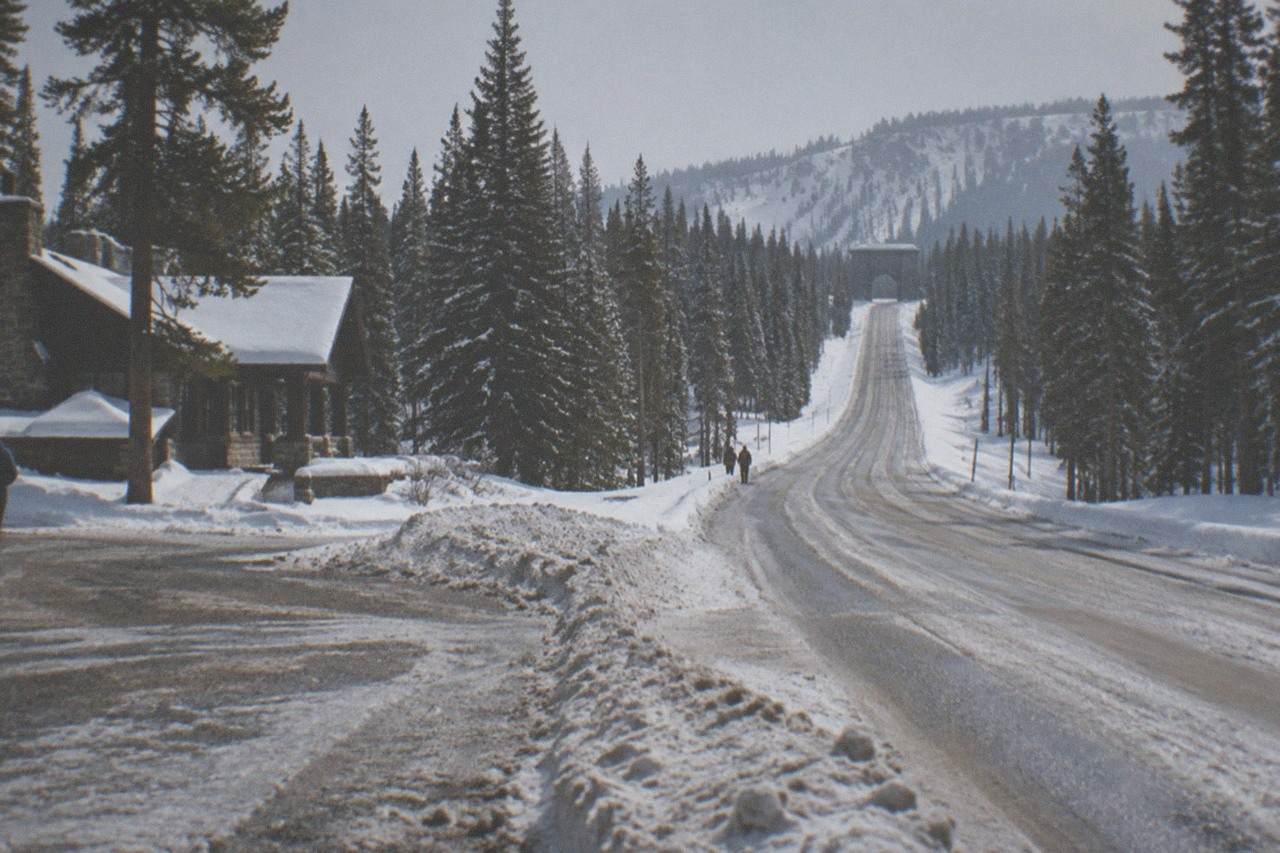
Most winter visitors fly into Bozeman, MT and drive about 90 miles to West Yellowstone on US-191, roughly two hours in good conditions. Jackson Hole Airport works for Scenic Safaris tours, which pick up at Jackson hotels. Only the North Entrance road to Cooke City stays open to regular cars in winter; everything else inside the park is oversnow travel only.
How Do You Get To Yellowstone In Winter?
Getting to Yellowstone in winter is a two-step problem: reach a gateway town, then switch to oversnow transport, because private cars are locked out of almost the entire park interior. Most visitors fly into Bozeman or Jackson Hole, drive to West Yellowstone, Jackson, or Gardiner, and take a guided snowmobile or snowcoach tour from there. The oversnow season runs from mid-December to mid-March, and the window is narrower than summer travelers assume. If Bozeman is your starting point, our guide to the winter drive from Bozeman to West Yellowstone covers road conditions and closures so you can plan that first leg before you land.
The single most important fact is also the one people miss. Yellowstone's interior roads close to regular automobiles in early November, and they do not reopen to cars until late April at the earliest. From mid-December to mid-March, those same roads open to guided snowmobiles, snowcoaches, and a small lottery-permit program, and to nothing else. That means you cannot drive yourself to Old Faithful or the Grand Canyon of the Yellowstone in winter no matter what vehicle you rent. The Yellowstone Snowmobile Tours site exists largely because of this: the tour is not an upgrade to a winter road trip, it is the road trip.
So the planning sequence is fixed. Pick your gateway town first, because that choice determines your airport, your drive, and which tours you can actually board. Second, book the oversnow tour or permit, since daily capacity is limited. Third, arrange lodging in or near the gateway town, ideally within walking distance of your tour's meeting point.
This guide walks through each piece in order: the airports, the two major winter drives, what happens if you base in Jackson Hole instead of West Yellowstone, whether you need a car once you arrive, and how far ahead to book. If you already know your gateway, you can also read the deeper companion piece on the Bozeman to West Yellowstone winter drive.
Which Airport Should You Fly Into For A Winter Trip?
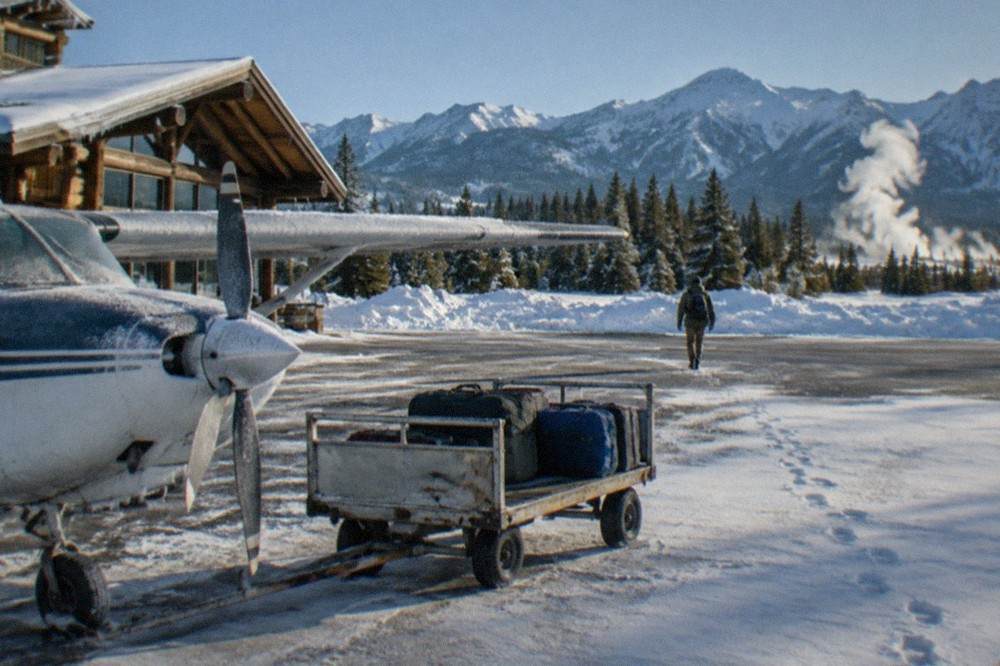
Bozeman Yellowstone International Airport, BZN, is the primary winter gateway, about 90 miles from West Yellowstone, and Jackson Hole Airport, JAC, serves Jackson-based trips at roughly 115 miles from West Yellowstone. Between them they cover nearly every winter itinerary. The small West Yellowstone airport runs summer-season flights only, so nobody flies directly into town in winter.
BZN has the most flights and the most rental cars, which matters in winter when a reservation can evaporate on a storm day. From the airport you drive south through Gallatin Canyon on US-191, past Big Sky, to West Yellowstone. Jackson Hole Airport sits inside Grand Teton National Park, about 2.25 to 2.5 hours from West Yellowstone in winter, because the direct park route is closed to cars and you detour through Idaho over Teton Pass, which carries its own closure risk. For anyone basing in Jackson, though, the airport is a 20-minute hop from town, and the tours that matter to Jackson-based visitors leave from Jackson hotels rather than from West Yellowstone at all.
Here is how the realistic options stack up.
| Airport | Code | Winter role | Distance to West Yellowstone | Drive time in good conditions |
|---|---|---|---|---|
| Bozeman Yellowstone International | BZN | Primary gateway, most flights and rental cars | About 90 miles via US-191 | Roughly 1.75 to 2 hours |
| Jackson Hole Airport | JAC | Best for Jackson and Scenic Safaris hotel-pickup tours | About 115 miles via Idaho and Teton Pass | Roughly 2.25 to 2.5 hours |
| West Yellowstone Airport | WYS | Summer only, no winter service | In town | Not applicable in winter |
One planning note that surprises people: the airport choice should follow the tour, not the scenery. The in-park Scenic Safaris tours, including the Old Faithful snowmobile and snowcoach departures, leave with hotel pickup in the Jackson, Wyoming area and enter Yellowstone through the South Entrance. If Old Faithful is your goal and you want the shortest logistics chain, flying into JAC and staying in Jackson removes the drive question almost entirely. West Yellowstone is the better base if you want the town's rental and trail scene, its wider choice of local operators, and its position right at the West Entrance.
The trio below frames the choice in bookable terms: the Jackson-departing in-park tour, and two Jackson Hole area rides for days you want snowmobiling without entering the park at all.
The Old Faithful full-day snowmobile tour runs 10 to 12 hours hotel-to-hotel, is rated 4.6 across 338 reviews, and starts from $475. It handles the single hardest winter problem for you: the drive from Jackson to the South Entrance, roughly 60 miles each way, happens in the operator's van while you ride as a passenger.
How Do You Drive From Bozeman To West Yellowstone In Winter?
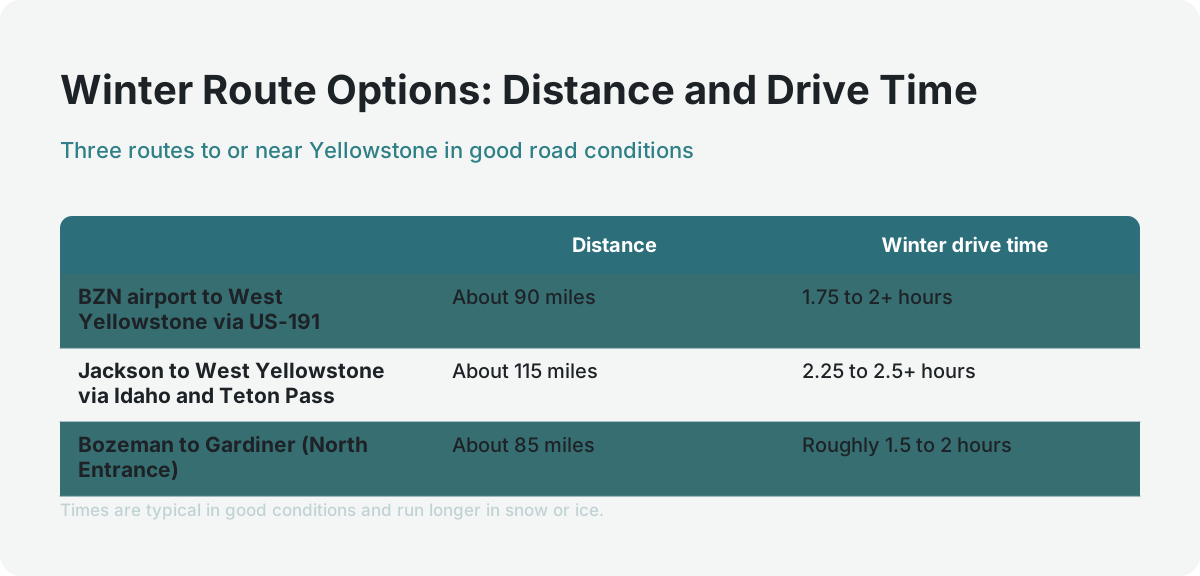
The Bozeman to West Yellowstone drive is about 90 miles on US-191 through Gallatin Canyon, and it typically takes two hours in good conditions, longer in snow or ice. The road is plowed and open year-round, but the canyon section is shaded, can be icy, has frequent wildlife on the road, and cell service is patchy enough that you should not count on it in an emergency.
Treat this as a real winter mountain drive, not a highway cruise. Leave Bozeman with a full tank, since fuel options along the canyon are thin. Check the Montana 511 road report the morning you drive, and again before you head back to the airport. Plan your arrival so you are not doing the canyon in the dark on a storm evening after a long flight; morning departures after the plows have run are the calmer choice.
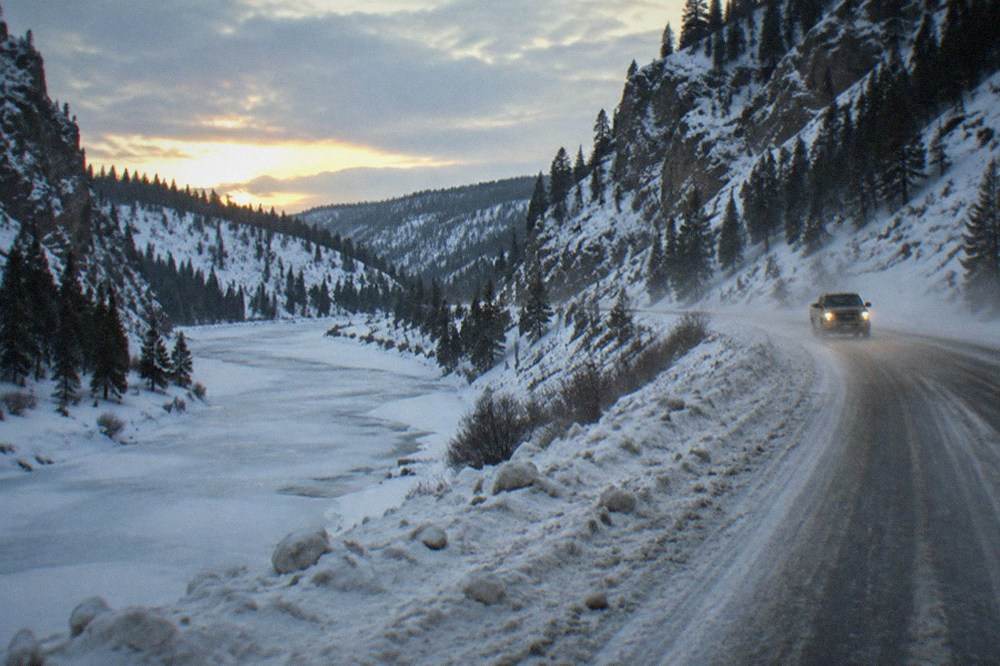
| Route | Distance | Typical winter time | Watch for |
|---|---|---|---|
| BZN airport to West Yellowstone via US-191 | About 90 miles | 1.75 to 2+ hours | Ice in shaded canyon stretches, wildlife, patchy cell service |
| Jackson to West Yellowstone via Idaho and Teton Pass | About 115 miles | 2.25 to 2.5+ hours | Teton Pass closures and storms, long detour if closed |
| Bozeman to Gardiner (North Entrance) | About 85 miles | Roughly 1.5 to 2 hours | Paradise Valley wind and ice near Livingston |
NPS winter safety guidance is blunt about conditions like these: expect windproof layers, sub-zero nights, and rapid changes, and do not rely on a phone in cold weather because cold drains batteries fast (see Tour Safety and Weather). The same page warns that avalanches occur throughout the Yellowstone area and can be deadly, which is why the Sylvan Pass road on the East Entrance side closes for avalanche control while your canyon drive does not. Read the official winter safety page before you commit to a self-drive arrival.
The canyon drive deserves one more sentence of respect: it is beautiful, which is exactly why people underestimate it. If a storm is forecast for your arrival day, the honest move is a night in Bozeman or Big Sky and the drive the next morning. There is a full guide to this specific decision in the West Yellowstone winter lodging guide, including which properties sit closest to tour departure points.
What If You Are Coming From Jackson Hole Instead?
Jackson Hole is the second full-service winter base for Yellowstone trips, and for the in-park tours on this roster it is the only one that matters: the Scenic Safaris snowmobile and snowcoach tours pick up at Jackson area hotels, drive guests about 60 miles to the South Entrance, and return them at the end of the day. If Old Faithful is the goal, basing in Jackson means you never drive a winter road at all.
That is a genuinely different logistics profile from West Yellowstone, and it is worth weighing before you book flights. In Jackson you sleep in one town, board a van outside your hotel, and ride into the park's interior on a guided snowmobile tour with gear and guide provided. In West Yellowstone you fly into a different airport, drive a canyon highway, and base yourself in a small town whose winter economy is built almost entirely around snowmobiling, with rentals and forest trails at the doorstep. Before you commit to either route, it helps to read up on whether Yellowstone in winter is worth the trip.
The comparison has a dedicated writeup in the Jackson Hole versus West Yellowstone winter guide, but the short version is this: Jackson for in-park Scenic Safaris departures, town amenities, and Grand Teton access; West Yellowstone for the sled-culture hub and the widest choice of local operators near the West Entrance.
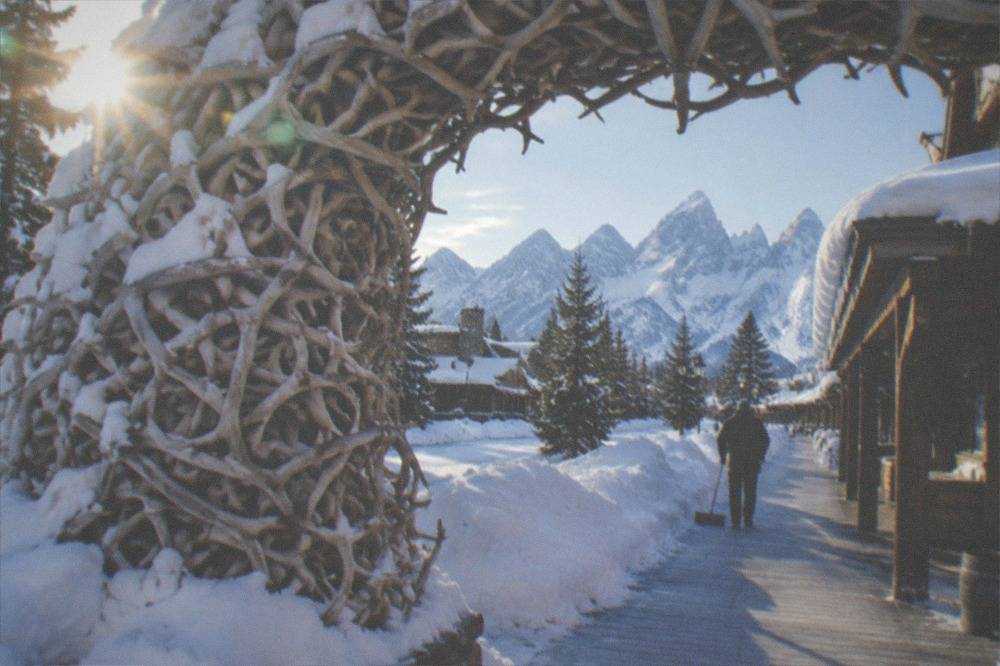
Jackson is also where the near-park riding lives. The Heart Six Ranch products run in the Buffalo Valley area near Moran, in the Bridger-Teton National Forest, outside Yellowstone entirely. The Heart Six snowmobiling trip in Jackson Hole runs about four hours, is rated 4.8 across 50 reviews, starts from $360, and meets at the Buffalo Valley Cafe at 16985 Buffalo Valley Rd. It is the right kind of day for a group that wants to ride without committing to a 10-to-12-hour full-park itinerary, and it pairs naturally with a couple of Jackson days.
One honest caution on winter routings around Jackson: the direct car route between Jackson and West Yellowstone does not exist in winter, because the park interior road between them is closed to automobiles. You detour through Idaho, and Teton Pass can close outright in storms. Nobody should book a Jackson hotel and a West Yellowstone morning tour in the same day and expect it to work.
Can You Drive Into The Park Itself In Winter?
Only one road into Yellowstone stays open to regular vehicles in winter: the North Entrance at Gardiner, Montana, through Mammoth Hot Springs, Tower Junction, and Lamar Valley to the Northeast Entrance at Cooke City. Every other entrance and interior road closes to cars from early November until spring plowing, reopening to oversnow travel only from mid-December to mid-March.
This is the fact that reshapes every winter itinerary, so it deserves its own section. Gardiner's road is a gift for wildlife watchers: you can self-drive the Northern Range in an ordinary rental car, no guide and no oversnow booking required, and Lamar Valley is one of the best places on the continent to see wolves, bison, and elk against snow. But it does not get you to Old Faithful, to the Grand Canyon of the Yellowstone, to West Thumb, or to the geyser basins. Those sit behind the oversnow rule.
| Entrance | Winter status for private cars | What it reaches |
|---|---|---|
| North, Gardiner MT | Open year-round | Mammoth, Tower, Lamar Valley, Cooke City |
| West, West Yellowstone MT | Closed to cars; oversnow from mid-December | Old Faithful, Madison, Firehole via guided sled or coach |
| South, near Jackson WY | Closed to cars; oversnow from mid-December | West Thumb, Lewis Canyon, Old Faithful via guided sled |
| East, near Cody WY | Closed to cars; oversnow, avalanche-exposed pass | Sylvan Pass, Fishing Bridge, Canyon |
| Northeast, Cooke City MT | Open via the year-round road | Same corridor as the North Entrance |
The official NPS park roads page carries the projected season dates and the staggered March closures, and it is the one page worth checking in the week before you travel, because dates shift with snowpack. Note the South Entrance opens at 8 a.m., an hour later than the standard 7 a.m. oversnow start, which is one reason South Entrance tours leave Jackson so early.
For a deeper treatment of the rules layer, including the guide requirement and the lottery-based self-guided permit program, see the guided versus self-guided snowmobile tour guide. The short version: all snowmobiles inside the park must travel with a guide, either a commercial guide on an authorized tour or a non-commercial permit holder who won a Recreation.gov lottery. Unguided public snowmobiling inside Yellowstone does not exist.
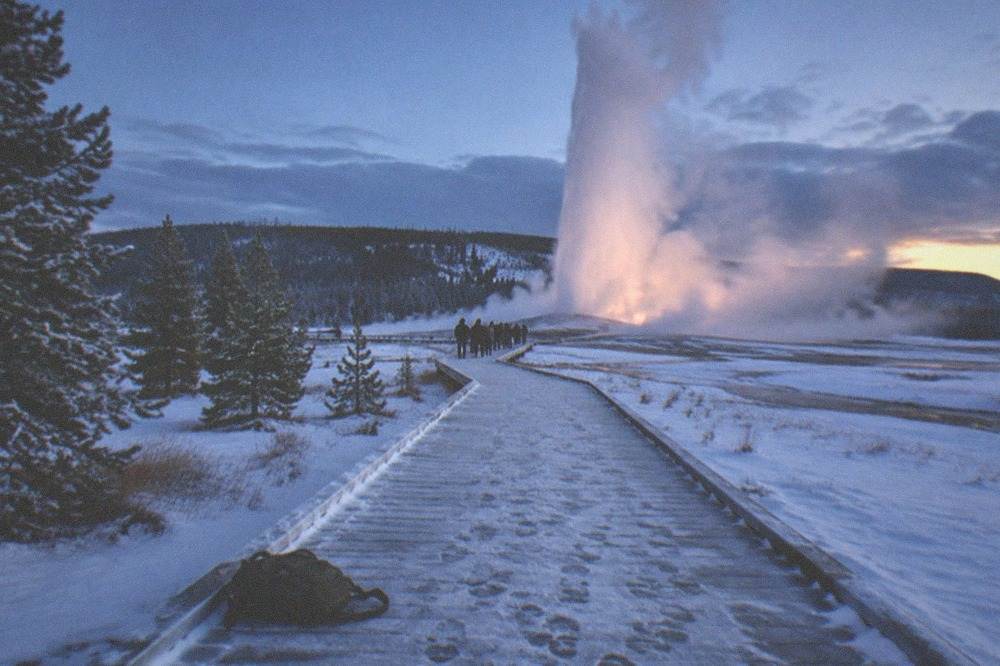
The Old Faithful snowmobile tour from Jackson Hole is the clearest expression of all this access machinery working in your favor. You are picked up, driven to the South Entrance, outfitted, briefed, and set loose with a guide on the groomed route through West Thumb and the Firehole Basin to the geyser, roughly 45 to 90 miles round trip depending on the day's plan, with an eruption window built into the schedule. It is rated 4.6 across 338 reviews and starts from $475.
Do You Need A Car Once You Reach Your Gateway Town?
In West Yellowstone, not necessarily: the town is compact, many hotels sit within a short walk of tour departure points and rental shops, and shuttles from Bozeman can replace the rental car entirely. In Jackson, a car is convenient for Teton Valley sightseeing but unnecessary if your tour includes hotel pickup, which the in-park Scenic Safaris tours do.
West Yellowstone is genuinely walkable in winter for tour purposes, and some lodgings partner with rental outfits on sled-and-stay deals that assume you never move the car after arrival. That said, a car earns its cost if you plan to chase the Northern Range from Gardiner, ski at a different trailhead each morning, or move between towns. The trade is simple: a car adds flexibility and adds a winter-driving burden, and every day it sits in a snowy lot is a day you paid for nothing. That answer depends heavily on which town you choose as your base.
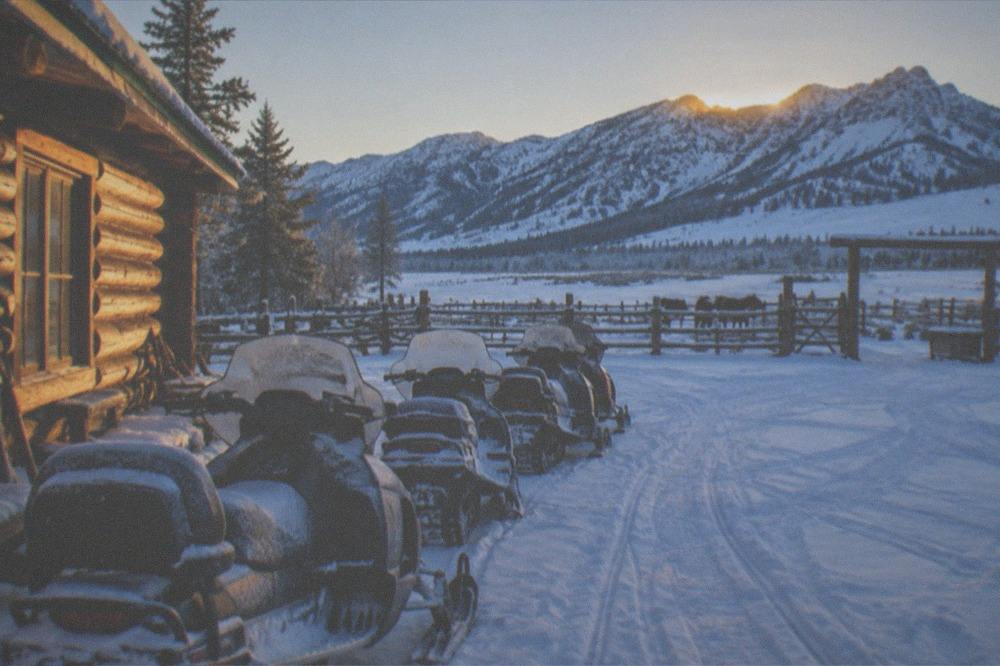
For riders who want to drive less and ride more, the Bridger-Teton guided snowmobile tour is built around a ranch meeting point in the Buffalo Valley near Moran. It runs about three hours, is rated 4.7 across 87 reviews, starts from $350, and meets at the Heart Six Ranch lodge or Buffalo Valley Cafe in winter. It is the shortest guided ride in this roster, which makes it a sensible first morning on snow for families or anyone easing into a multi-day winter trip.
One more practical note on fees: a standard 7-day vehicle entrance pass is $35, and the snowmobile-specific per-sled entrance fee is $30, separate from any tour price. Non-US residents 16 and older pay an additional $100 per person unless they hold a qualifying pass, and on a snowcoach an interagency annual pass admits the signer plus up to three additional adults, while on a snowmobile it admits only the signer. Check whether your tour's price includes entrance fees before you assume anything; the official fees page spells out the current structure.
How Far In Advance Should You Book The Winter Trip?
Book the oversnow tour as soon as your dates are firm, because daily capacity inside the park is capped and winter rooms in gateway towns sell out ahead of the snow. Flights and the rental car can follow a few weeks later, but the tour and the room in West Yellowstone or Jackson are the two pieces that actually run out.
The oversnow season is short, roughly 90 days, and everyone inside it is competing for a limited number of guided slots. Holiday weeks and Presidents' Day week are the crunch periods, and lodging rates in West Yellowstone reflect that with winter demand running strong alongside the summer peak. If your dates are fixed around a school break, booking the tour and the room in early fall is the difference between a first-choice itinerary and a compromise.
Sequencing the whole trip looks like this.
| Step | When | Why it matters |
|---|---|---|
| Pick the gateway town and tour | First | The tour's departure point sets your airport and hotel |
| Book the oversnow tour | As early as possible | Capped daily capacity inside the park |
| Book lodging in the gateway town | Same window as the tour | Winter rooms tighten around holidays |
| Flights and rental car or shuttle | Next | BZN or JAC, then reserve for storm-day buffer |
| Check road status and avalanche outlook | Week before, and each morning | Dates and pass closures move with the weather |
A final word for readers whose plan is bigger than one day. The four-day Grand Teton and Yellowstone winter package from Jackson, starting from $2089, covers a multi-day structure across both parks with the transport handled, and suits travelers who would rather buy a complete itinerary than assemble one. And if you are weighing whether the whole winter effort is worth it, the honest answer includes the fact that January and February see a fraction of summer visitation, which means the interior you ride into is close to empty of other people, and the wildlife is easier to see against snow.
If any piece of this is still undecided, start from the three bookable anchors below: the in-park day tour from Jackson, and the two shorter Jackson Hole rides that fill the days around it.
Common Questions About Getting To Yellowstone In Winter
How to get to yellowstone in winter?
Fly into Bozeman, BZN, and drive about 90 miles to West Yellowstone, or fly into Jackson Hole, JAC, and stay in Jackson for South Entrance tours. Once snow closes the interior roads, you travel inside the park by guided snowmobile or snowcoach, or drive the one year-round road from Gardiner through Lamar Valley to Cooke City.
What is the closest airport to West Yellowstone in winter?
Bozeman Yellowstone International, about 90 miles and roughly two hours away on US-191. The West Yellowstone airport itself operates in summer only, so in winter every arrival routes through Bozeman, Jackson Hole, or a long drive from elsewhere.
Can you drive to Old Faithful in winter?
No. The roads to Old Faithful close to regular automobiles in early November and do not reopen to cars until late April. From mid-December to mid-March the only ways in are a commercially guided snowmobile or snowcoach tour, or a non-commercial permit won through the Recreation.gov lottery.
Is the drive from Bozeman to West Yellowstone dangerous in winter?
It is a plowed, year-round highway, but the Gallatin Canyon section is shaded and often icy, wildlife crosses the road, and cell service is unreliable. Check the Montana 511 report, fuel up before leaving, and avoid driving the canyon in the dark during a storm.
Which park entrance stays open to cars all winter?
The North Entrance at Gardiner, Montana. Its road runs through Mammoth Hot Springs, Tower Junction, and Lamar Valley to the Northeast Entrance at Cooke City, and it is the only park road open year-round to regular vehicles.
Do the Scenic Safaris tours leave from West Yellowstone?
No. The in-park Scenic Safaris tours depart with hotel pickup in the Jackson, Wyoming area and enter through the South Entrance. Visitors based in West Yellowstone can still ride, but this operator runs its Yellowstone trips out of Jackson by design.