Yellowstone Snowmobile Rules And Requirements Before You Book A Winter Tour
Yellowstone does not allow free-riding. Federal rules require every snowmobile inside the park to travel with a guide, on a certified low-emission machine, inside a mid-December to mid-March oversnow window.
Short answer
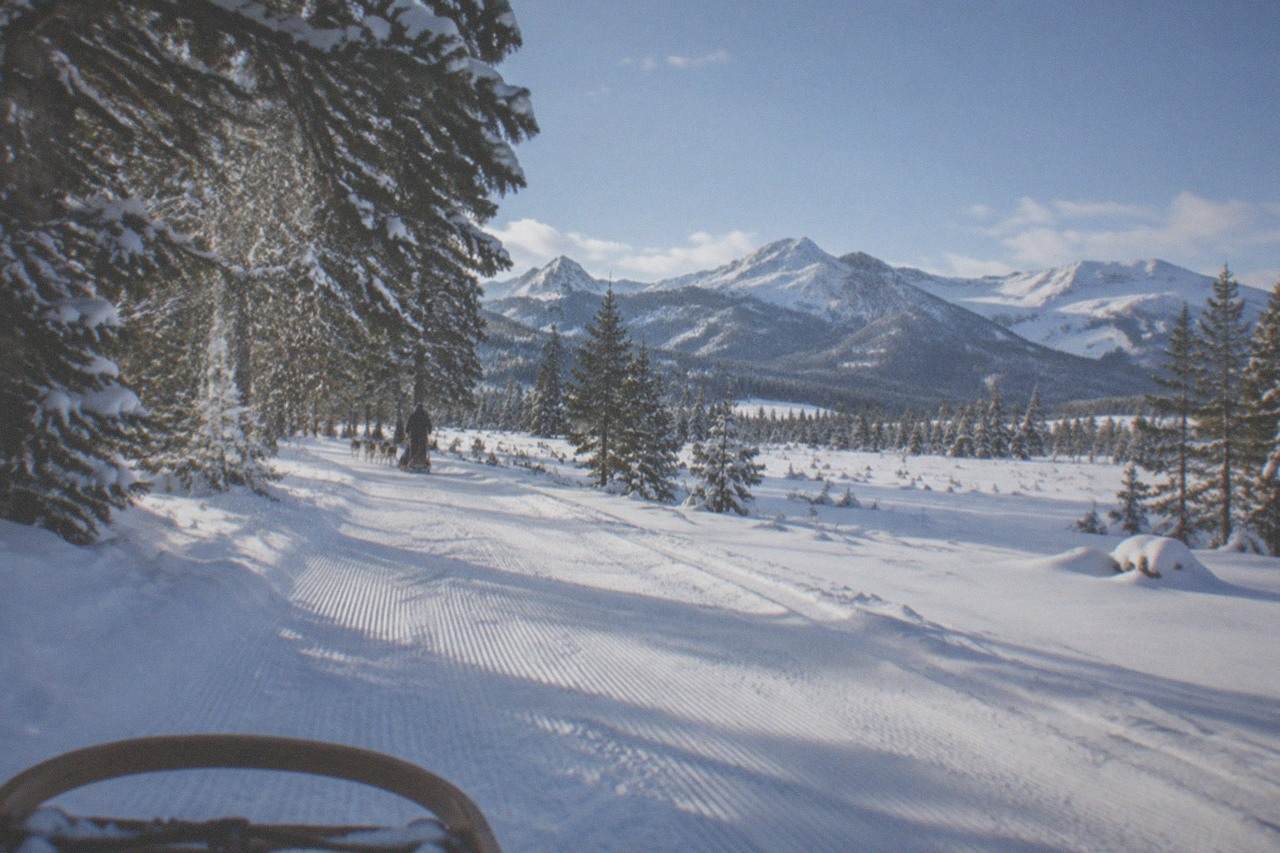
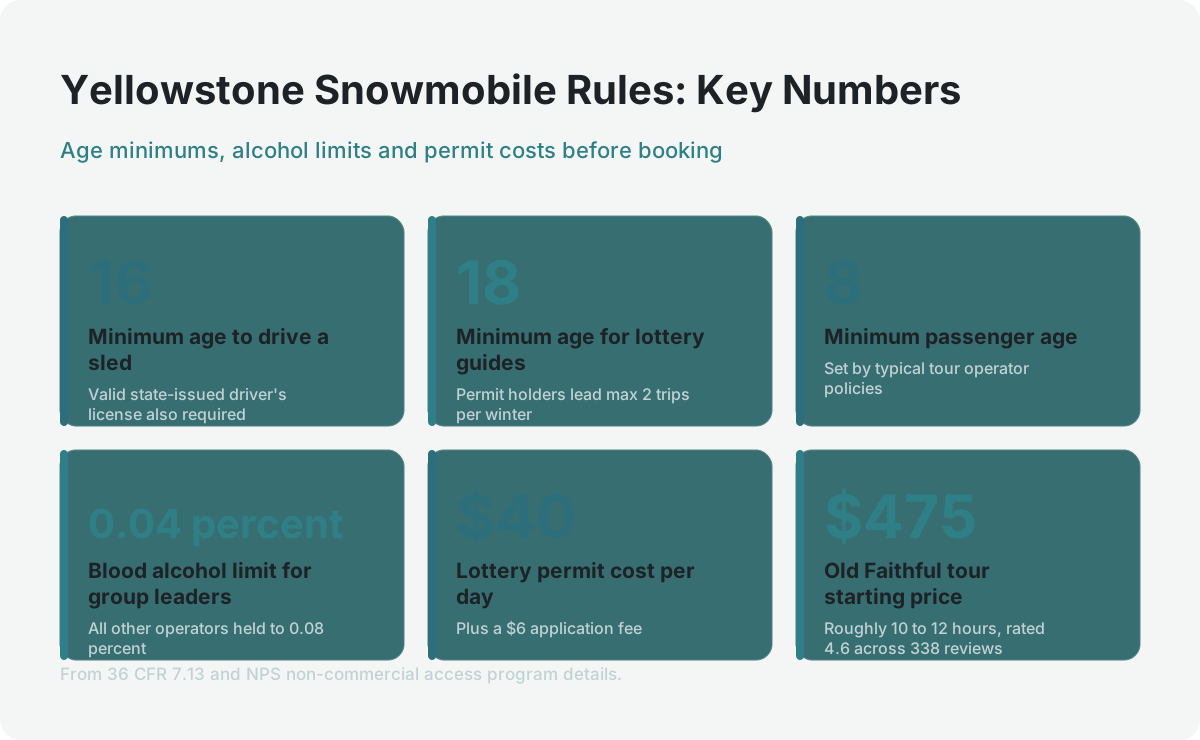
Yes, a guide is mandatory. Every snowmobile inside Yellowstone must travel with a commercial guide on an authorized tour, or with a non-commercial guide holding a lottery permit that costs $40 per day plus a $6 application fee. Unguided riding is prohibited park-wide. Operators must be at least 16 with a valid driver's license, and the oversnow season runs mid-December to mid-March.
Yellowstone snowmobile rules are stricter than almost anywhere else in the United States, and they are the reason a winter ride inside the park can only happen one of two ways. Since the 2013 Winter Use Rule, federal regulation requires every snowmobile entering the park to travel with a guide: either a commercial guide on an authorized tour, or a non-commercial guide holding a hard-to-get lottery permit. The machines themselves must meet certified sound and emission standards, the oversnow season runs only from mid-December to mid-March, and drivers must be licensed and at least 16 years old.
None of this is paperwork for its own sake. Winter is when bison crowd the groomed roads, when the park's interior is closed to private cars, and when a poorly tuned two-stroke engine can be heard for miles across a windless valley. The rules exist to protect wildlife, air quality and the quiet that makes a Yellowstone winter different from every other snowmobile destination in the country. This guide walks through each requirement a tour booker actually needs answered, from the BAT sled standards to the alcohol limits, and points to the tours that satisfy the rules for you.
Do You Need A Guide To Snowmobile In Yellowstone?
Yes, in almost every case. Federal regulation, specifically 36 CFR 7.13, requires every snowmobile inside Yellowstone National Park to travel with a guide: either a commercial guide on an authorized tour, or a non-commercial guide operating under the lottery-based access program. Unguided snowmobile access is prohibited. The lone exception is the Cave Falls Road, a short segment in the park's southwest corner that remains open to unguided riding.
That single fact shapes every winter trip to the park's interior. Most park roads close to regular automobiles in early November, and once enough snow accumulates, usually by mid-December, they open only to oversnow vehicles: guided snowmobiles, snowcoaches, and the small number of lottery-permitted non-commercial groups. A commercial guided snowmobile tour is therefore not a premium add-on in Yellowstone, it is the standard mechanism for entering the interior at all. The National Park Service's snowmobiling page states the requirement plainly and lists the authorized options.
The rule has a conservation logic worth understanding before you book. Sound and exhaust studies behind the 2013 rule found that unregulated sled traffic measurably degraded wildlife habitat and winter air quality in the park's basins. Guiding concentrates riders on groomed roads at controlled speeds, on machines that meet strict emissions caps, with an operator who knows where the bison herds winter. NPS guidance says as much directly: the guided system exists to balance access with protection of the park's winter environment.
| Access type | Guide required? | How you get it | Notes |
|---|---|---|---|
| Commercial guided tour | Yes, included | Book with an authorized concessioner | The standard route for most visitors; guide, machine and gear bundled |
| Non-commercial guided trip | Yes, one of your group | Lottery permit via Recreation.gov | Permit holder must be 18+, lead max 2 trips per winter |
| Unguided riding | Prohibited | Not available | Except the Cave Falls Road segment |
For readers weighing the two paths, the deeper comparison lives in our guided versus self-guided comparison. The short version: a guided snowmobile tour handles machine certification, routing and park compliance in one booking, while the non-commercial program asks your own group to supply a certified guide, BAT sleds and a permit you may wait years to draw.
What Are The BAT Sled Rules In Yellowstone?
BAT stands for Best Available Technology, the park's certified standard for snowmobile sound and emissions. To be admitted inside Yellowstone, a snowmobile must appear on the park's approved machine list, with a maximum of 67 dBA at cruising speed and tailpipe output not exceeding 90 g/kW-hr of carbon monoxide and 15 g/kW-hr of hydrocarbons. Electric snowmobiles are not currently approved, and tracked side-by-sides are not allowed.
The standard is why rental fleets in gateway towns look so uniform: the approved list for the 2026/2027 season includes specific Ski-Doo and Bombardier Grand Touring, Expedition and Skandic ACE models along with select Polaris Indy Adv, Voyageur and Yamaha machines. NPS publishes the year-by-year approved list on its program logistics page. A sled that is perfect for mountain riding outside the park can still be barred at the gate if it is not on the list.
Here is the part that matters to a tour booker: on a commercially guided tour, the requirement is invisible because it is already satisfied. Authorized concessioners run their fleets under park operating plans, and every machine they put on the snow is BAT-certified by definition. You do not need to check model numbers or decibel ratings. The standard only becomes your problem if you enter the non-commercial program, where your group must source, trailer and certify its own approved sleds.
The trio below spans the practical choices. The Old Faithful snowmobile tour runs inside the park on the concessioner's compliant fleet, the Bridger-Teton tour rides national forest terrain where the BAT list does not apply, and the Old Faithful snowcoach tour puts you in a heated oversnow vehicle on the same groomed roads.
What License And Age Rules Apply To Snowmobile Operators?
Anybody operating a snowmobile in Yellowstone must be at least 16 years old on the first day of the trip and hold a valid state-issued driver's license. Non-commercial permit holders, the designated guides of lottery groups, must be at least 18. The free online Yellowstone Snowmobile Education Certification course is required for the non-commercial program, with certificates valid for two years.
The age and license floor applies park-wide, not just to one program. A 14-year-old who can legally operate a sled on forest trails outside the park cannot drive one inside it, and a learner's permit does not satisfy the requirement. The education course covers winter wildlife protocol, riding etiquette on groomed roads and avalanche awareness, and it is the piece that turns a licensed driver into a qualified group leader under the non-commercial program.
On commercial tours the picture is simpler for the customer. The guide accompanying your group carries the credentials, and the operator's own policies govern who may drive a rental-class sled within the tour. Most listings state these terms in their booking details, so confirm the minimum driver age for your specific tour on the operator's live listing before you arrive. Our dedicated page on driver license and age rules breaks the edge cases down further, including how the rules treat teenagers traveling with a licensed parent.
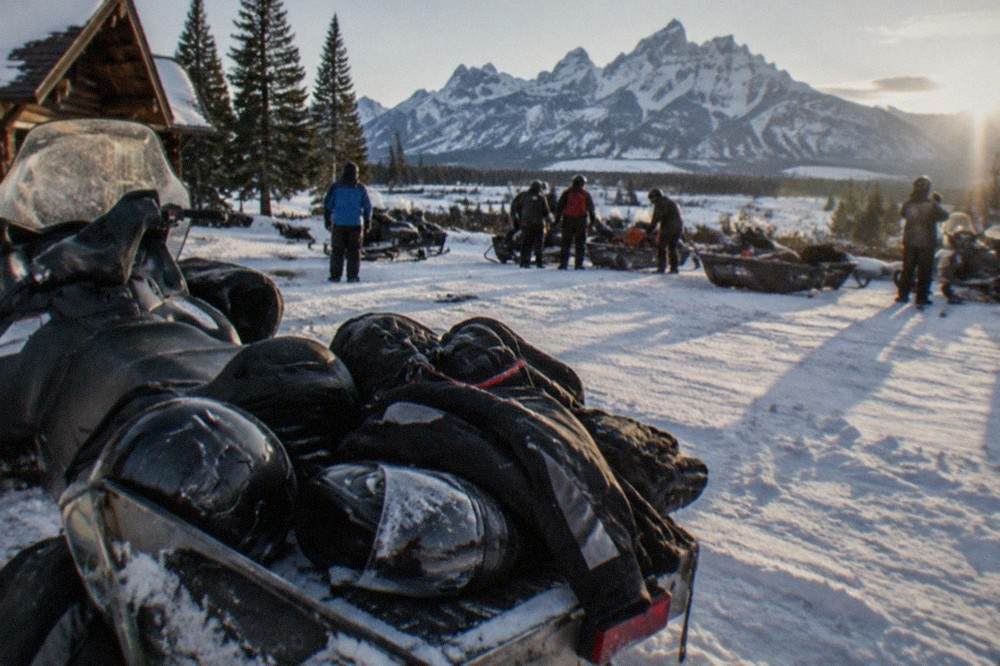
One nuance worth flagging: the operator age floor and the passenger rules are separate. A rider who is too young to drive can still legally ride as a passenger on an approved two-up machine, subject to the operator's minimum passenger age. That distinction, covered next, is where most family-booking questions land.
Can Two People Ride One Snowmobile On A Yellowstone Tour?
Yes. Two-up riding is legal and routine on commercially guided tours in Yellowstone, which use double-rider snowmobiles designed for a driver plus one passenger, with handgrips and a proper second seat. NPS does not prohibit it when the machine is approved. Typical operator policies set a minimum passenger age of 8, cap the sled at two people, and require that passengers can safely reach the grips and footrests.
The two-up format is not a compromise; it is how most families and couples actually ride the park. Splitting a group across one sled per pair keeps the guide-to-rider ratio manageable on long routes, and modern touring doubles handle the weight without strain on groomed roads. NPS sources do not publish machine weight limits beyond manufacturer guidelines, so the operator's listing is the place to confirm anything unusual, such as a small child or a rider with limited mobility. The full rundown, including how pricing typically works per driver versus per passenger, is in our piece on two riders sharing one sled.
The Yellowstone Old Faithful full-day snowmobile tour from Jackson Hole is a good example of the format in practice. It runs roughly 10 to 12 hours, is rated 4.6 across 338 reviews, costs from $475, and departs with hotel pickup in the Jackson, Wyoming area before entering the park through the South Entrance. Riders on this route travel on the concessioner's compliant two-up fleet, which is one reason families book it as a single decision rather than assembling a trip from parts.
If the full-day interior commitment looks steep for your group, the same guide-covered ground can be covered in a heated oversnow vehicle, and the decision between handlebars and a snowcoach cab usually comes down to cold tolerance and driver confidence rather than rules.
Is Alcohol Allowed While Snowmobiling In Yellowstone?
No drinking and driving, in any form. NPS prohibits operating a snowmobile under the influence and treats sleds as motor vehicles for enforcement. Under the non-commercial program's rules, group leaders are limited to a blood alcohol concentration of 0.04 percent, all other operators to 0.08 percent, and no open alcoholic containers are allowed on snowmobiles at all. Commercial operators enforce comparable policies on their tours.
The 0.04 limit for leaders surprises people. It mirrors the commercial-driver standard: the person responsible for a group's safety is held to a stricter line than a passenger car driver would be. Open containers are barred regardless of who is holding them, so a thermos of mulled wine on the sled is off the table even for a non-driving passenger on a non-commercial trip.
On commercial tours the practical rule is set by the operator, and it tends to be conservative: no alcohol during the riding day, full stop. Lunch stops at Old Faithful or a warming hut are typically dry in practice because the guide is responsible for the group until the van ride back. If a celebratory drink matters to your day, plan it for the gateway town after the tour ends, not during it. Winter riding also punishes dehydration and cold more than it rewards a drink, which is why most guides push hot chocolate instead.
What Is The Non-Commercially Guided Snowmobile Access Program?
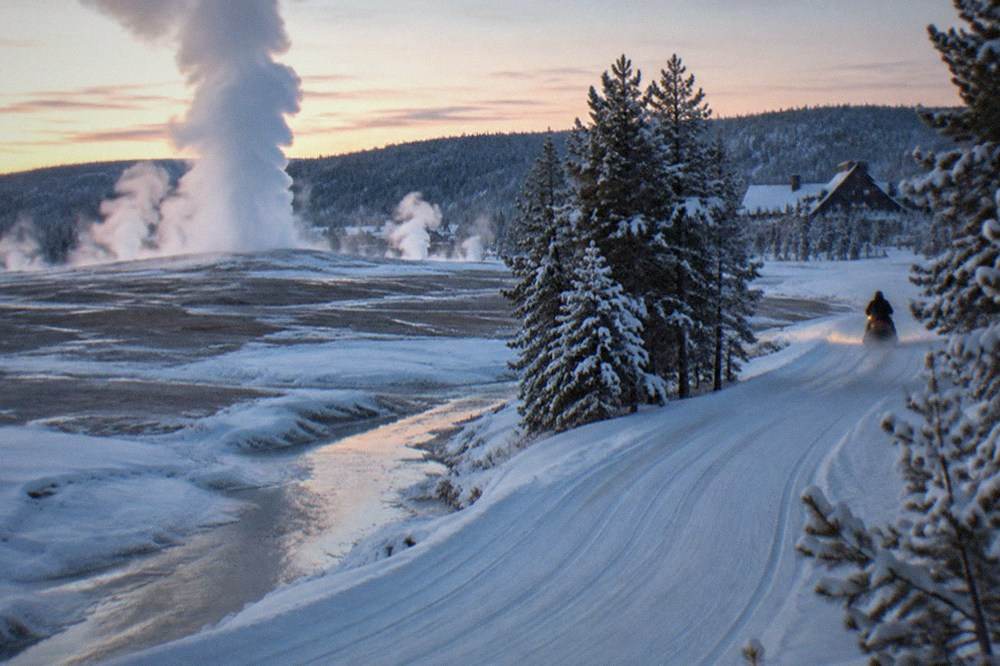
The Non-Commercially Guided Snowmobile Access Program, or NCGSAP, is the lottery that lets a private group ride Yellowstone without a commercial guide, provided one member qualifies as the group's own guide. For the 2026-2027 season the lottery ran August 1 through 31 on Recreation.gov, permits cost $40 per day plus a $6 application fee, and trips max out at three days with up to five snowmobiles per permit.
Only four non-commercial groups are admitted per day, one per oversnow entrance, which is why the draw feels competitive for a park this size. A permit holder must be 18 or older, complete the free online certification, may lead no more than two trips per winter, and may not charge friends or family a fee. Every sled in the group must meet the New BAT standard. Permits that go unclaimed or get canceled are released first-come, first-served from October 1 with no waiting list, which is how flexible planners sometimes score a mid-winter date without winning the draw. The park's July 2026 news release confirms the season's lottery details and dates.
Caveats matter here. Cancellation at least one week before the start date earns a partial refund, but the $6 application fee is never refundable, and there are no refunds or rescheduling for weather or road closures. Given that the East Entrance road over Sylvan Pass can close for hours or days on avalanche danger, that last clause is not theoretical.
| NCGSAP term | Detail |
|---|---|
| Permit cost | $40 per day, plus a $6 non-refundable application fee |
| Lottery window (2026-27) | August 1-31, 2026, on Recreation.gov |
| Unclaimed permits | Released first-come, first-served from October 1, 2026 |
| Trip length | Maximum 3 days, 2 nights |
| Group size | Up to 5 snowmobiles per permit; 4 groups admitted daily park-wide |
| Guide requirements | Permit holder 18+, certification course, max 2 trips per winter, no fees charged |
For most readers the honest comparison is this: the program exists for riders who want the interior without a commercial guide, and it demands a certified guide from your own circle, BAT-listed sleds sourced yourself, and luck. A guided tour costs more per day but converts the whole requirement stack into a single booking.
What Rules Apply To Jackson Hole Rides Outside Yellowstone?
Rides in the Jackson Hole area and the Bridger-Teton National Forest run under United States Forest Service and Wyoming rules, not Yellowstone's winter use plan. The guided requirement and the BAT machine list do not apply outside the park boundary. These tours are near Yellowstone, not inside it, and they should never be booked by a traveler whose goal is Old Faithful or the park's interior basin roads.
The distinction is the single most common mix-up in winter trip planning, and it cuts both ways. A traveler who wants the park's geothermal sights must book one of the few in-park products; a traveler who wants deep powder, open meadows and a shorter day gets more freedom, and usually a lower price, on the forest side of the line. The Heart Six Snowmobiling in Jackson Hole tour is a representative near-park option: it runs about 4 hours in the Buffalo Valley area of the Bridger-Teton National Forest, is rated 4.8 across 50 reviews, starts from $360, and meets at 16985 Buffalo Valley Road in Moran, Wyoming. No park guide rule applies, and the machines are tuned for forest terrain rather than emission caps.
The Turpin Meadow Ranch country east of Moran is the other big draw in that corridor. The Jackson Hole Turpin Meadow Snowmobile Tour explores the same national forest terrain on a longer arc, roughly 5.5 to 9 hours depending on the option, is rated 4.9 across 26 reviews, and starts from $300, meeting in the Turpin Meadow area of Moran. Riders there describe wide meadows and mountain scenery rather than geysers, which is exactly the point: it is a different product, honestly labeled.
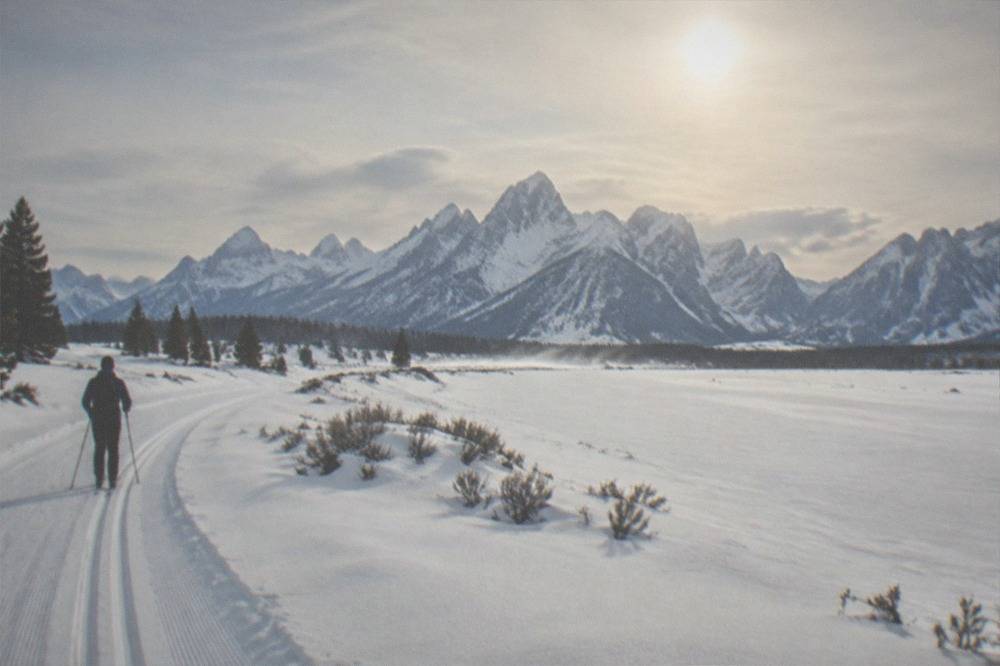
A quick habit for sorting any winter listing: check the meeting point. Jackson and Moran addresses put you in national forest country near the park's southern boundary; hotel pickup in Jackson followed by transport to the South Entrance puts you inside Yellowstone proper.
What Fees, Hours And Season Dates Apply To Snowmobile Tours?
Yellowstone's oversnow season runs from mid-December to mid-March, with the 2026-2027 window projected as December 15, 2026 through March 15, 2027, weather permitting. Oversnow travel is permitted from 7 a.m. to 9 p.m. daily, though the East and South Entrances open at 8 a.m. A standard 7-day entrance pass runs $35 per private vehicle, with snowmobile entry commonly collected at $30 per sled.
The season window deserves its "projected" qualifier. NPS states the mid-December to mid-March frame as the standing rule, and the road-status page lists the projected segment dates for the coming season, including staggered March closures that shut some interior segments a few days early. Exact dates depend on snowpack, so the live road page, not a calendar printout, is the authority close to your travel date. Our season dates guide tracks the pattern in detail, including which entrances close first.
| Fee or limit | Amount or rule |
|---|---|
| 7-day pass, private vehicle | $35 |
| 7-day pass, per person on foot | $20 |
| Snowmobile entry, per sled | Commonly $30 per operator materials |
| Non-US residents, age 16+ | Additional $100 per person |
| Oversnow travel hours | 7 a.m. to 9 p.m. daily; East and South Entrances open 8 a.m. |
| Children under 16 | Free with a pass-holding adult |
Hours matter less on a guided tour than they sound, because commercial operators schedule pickups to fit inside them. The Jackson-area in-park tours, for instance, pick up around 6 a.m. and return between 4:30 and 6 p.m., a 10-to-12-hour day that the guide structures around the travel window. The hours bind hardest on non-commercial groups, whose parties must exit by 9 p.m. on their final day. One further wrinkle from the fee rules: on a snowmobile, an annual pass admits only the signer, whereas on a snowcoach or shuttle it admits the signer plus up to three additional adults, a detail that quietly favors coach travel for pass-holding families.
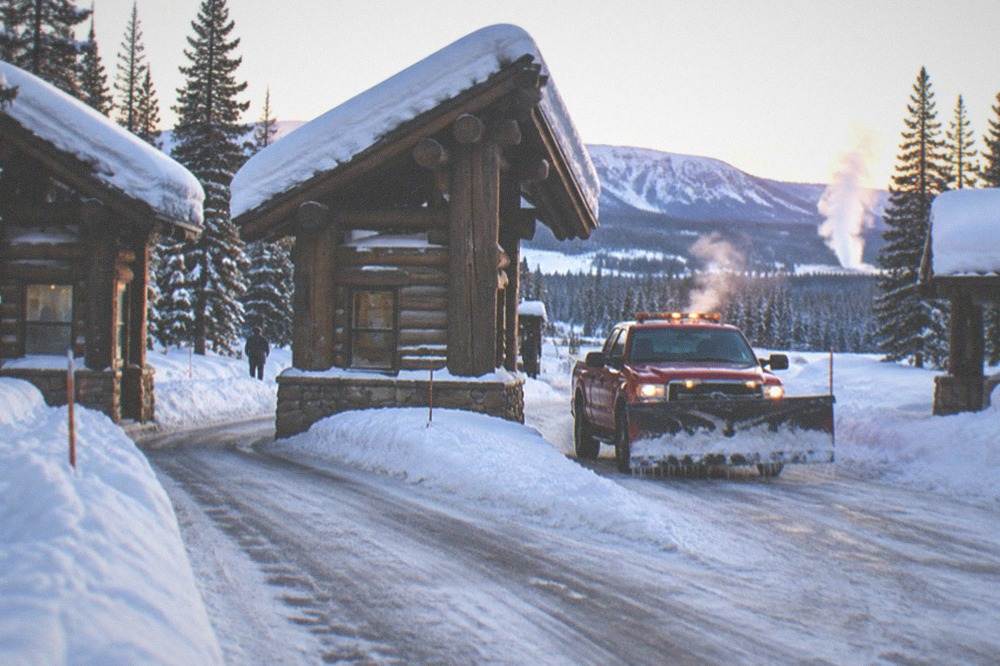
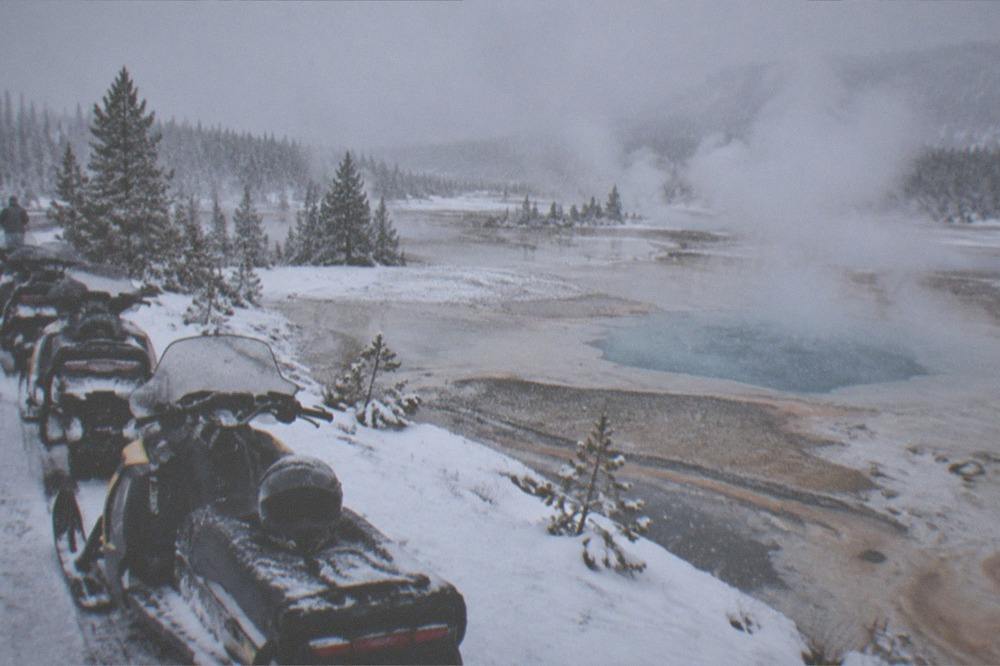
Put together, the rule stack tells you what a booking actually buys. A commercial guided tour covers the guide requirement, the BAT-certified machine, the licensed driver's age floor and the oversnow window in one transaction, leaving you to arrive dressed for zero-to-20-degree days with layers, goggles and no open containers. The non-commercial route trades money for logistics and lottery luck. For most winter visitors who want Old Faithful under snow rather than a permit application, the guided path is the one that exists.
If you are still deciding between the interior and the forest, the trio below restates the honest split: two ways inside the park, and one strong near-park ride for powder-focused travelers.
The site behind this guide, Yellowstone Snowmobile Tours, exists to keep these distinctions straight, because the difference between an inside-the-park tour and a near-park one is the difference between geysers and meadows.
Common Questions About Yellowstone Snowmobile Rules
Do you need a guide to snowmobile in Yellowstone?
Yes. Federal regulation requires every snowmobile inside Yellowstone to travel with either a commercial guide on an authorized tour or a non-commercial guide holding a lottery permit. Unguided riding is prohibited except on the Cave Falls Road.
What does BAT mean for Yellowstone snowmobiles?
Best Available Technology is the park's certified standard for sound and emissions: a maximum of 67 dBA at cruising speed, carbon monoxide not exceeding 90 g/kW-hr and hydrocarbons not exceeding 15 g/kW-hr. Machines must appear on the park's approved list. Commercial tours already run compliant fleets, so the standard only concerns non-commercial groups.
How old do you have to be to drive a snowmobile in Yellowstone?
Snowmobile operators must be at least 16 years old on the first day of the trip and hold a valid state-issued driver's license. Non-commercial permit holders, who act as the group's guide, must be at least 18 and complete the free online Yellowstone Snowmobile Education Certification course.
Can two people ride one snowmobile in Yellowstone?
Yes. Two-up riding is legal and common on commercially guided tours, which use double-rider machines designed for a driver and one passenger. Typical operator policies set a minimum passenger age of 8 and require that passengers can safely reach the handgrips and footrests.
Is alcohol allowed while snowmobiling in Yellowstone?
No drinking and driving. Non-commercial group leaders are limited to a blood alcohol concentration of 0.04 percent, other operators to 0.08 percent, and open alcoholic containers are prohibited on snowmobiles. Commercial tour operators enforce comparable no-alcohol policies during the riding day.
When does the Yellowstone snowmobile season run?
The oversnow season runs mid-December to mid-March. For 2026-2027 the projected window is December 15, 2026 through March 15, 2027, with some interior segments closing a few days earlier in March. Exact dates depend on snowpack, so check the NPS road status page close to your travel date.