Yellowstone Snowmobile Season Dates: When Roads Open And Close
Yellowstone's interior roads open to oversnow travel only from mid-December to mid-March, and every guided snowmobile tour on the calendar lives inside that window. The 2026-27 projected dates, the staggered March closures, and what they mean for booking.
Short answer
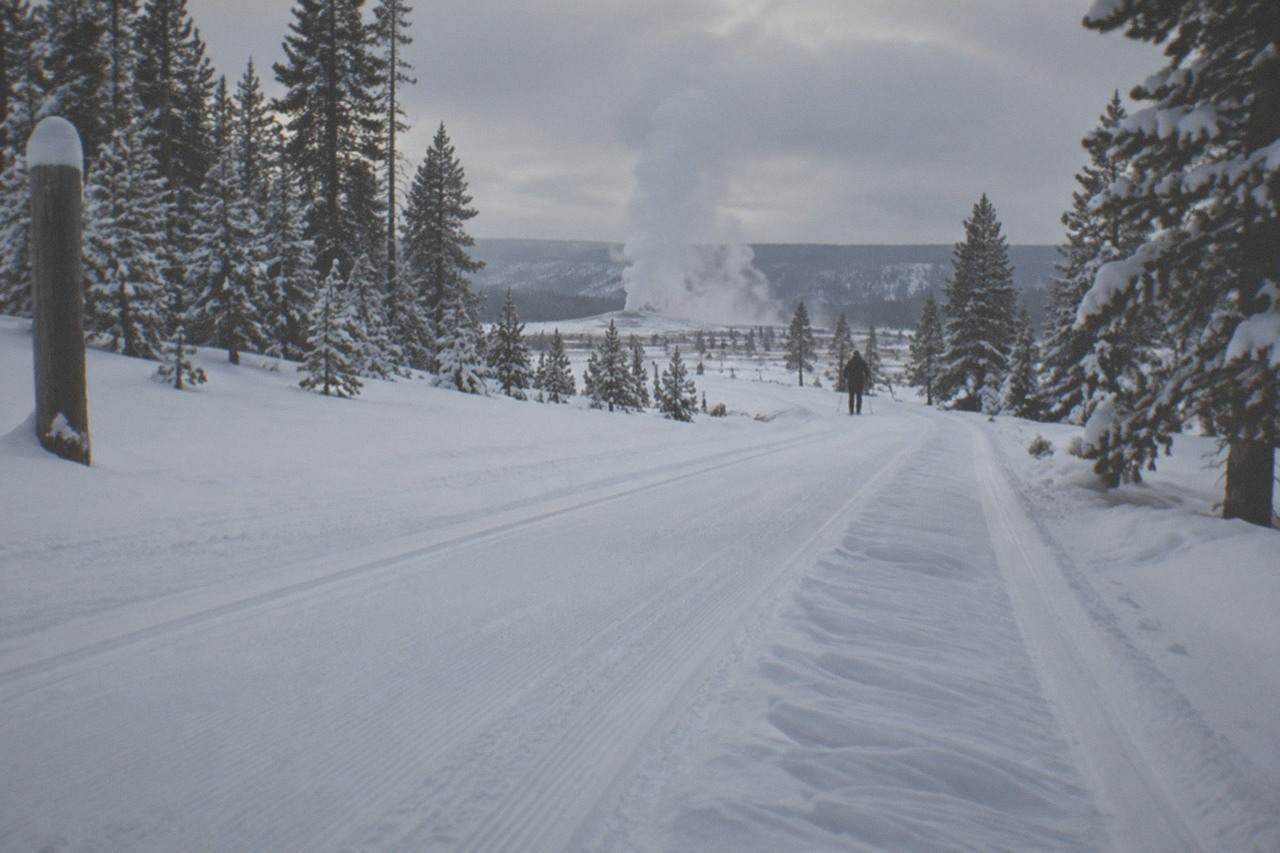
Yellowstone's snowmobile season runs from mid-December to mid-March, projected for 2026-27 as December 15, 2026 through March 15, 2027. Roads close in stages through early March. The only in-park access is a commercially guided snowmobile tour, a snowcoach tour, or a hard-to-get non-commercial permit, so dates drive every booking decision.
Once enough snow accumulates on Yellowstone's interior roads, usually by mid-December, the park switches them from closed automobile routes to groomed oversnow corridors, and the entire winter tour economy switches on with them. A guided snowmobile tour can only run while those roads are open. Before mid-December there is no product to book, and after the staggered March closures there is nothing left to ride inside the park. This page is the booking-calendar research: what opens, what closes, when, and how those dates should shape the trip you plan. One rule worth checking before you ride is whether alcohol and snowmobiling can mix inside the park, so see our guide on drinking rules for snowmobile riders in Yellowstone.
The reason a calendar page matters this much is structural. In summer, a Yellowstone visitor picks any date between May and October and drives in. In winter there is no driving in, no choosing a random weekend, no arriving on spec. The interior is reachable only by authorized oversnow vehicle on a groomed road, during published hours, inside a published window. Every planning decision, flights, lodging, tour, even which town to sleep in, cascades from roughly ninety rideable days.
When Does The Yellowstone Snowmobile Season Open?
The projected opening for the 2026-27 season is December 15, 2026, when the West, South, and East entrances and the groomed interior road segments open to oversnow travel, typically at 8 a.m. Every guided snowmobile tour inside Yellowstone is built around that single date, because no commercial sled trip can enter the park's interior earlier.
The standing rule is simpler than the calendar. Most park roads close to regular automobile traffic in early November, stay closed while snow accumulates, and then reopen, mid-December to mid-March, only to snowmobiles and snowcoaches operating under NPS winter-use rules. The National Park Service publishes the projected opening on its park roads page, and the word projected matters. Snowpack decides. A thin early winter can push grooming, and therefore tour start dates, later into December.
One corridor behaves differently. The road from the North Entrance at Gardiner, Montana to the Northeast Entrance at Cooke City, through Mammoth Hot Springs, Tower Junction, and Lamar Valley, stays open to ordinary cars all year. That is why winter wildlife watchers base in Gardiner while snowmobile riders base elsewhere. If your interest is a snowmobile tour into the geyser basins or the canyon country, the mid-December opening is your starting gun.
Operators price and staff around it. This site's Yellowstone Snowmobile Tours coverage exists because the winter window is short, roughly ninety days of rideable interior roads, and demand concentrates hard into the weeks between Christmas and the end of February. A concessioner cannot run a fleet profitably for a season that barely clears three months, so inventory is finite by design, and the December 15 date is effectively the industry's fiscal new year.
When Does The Snowmobile Season Close In March?
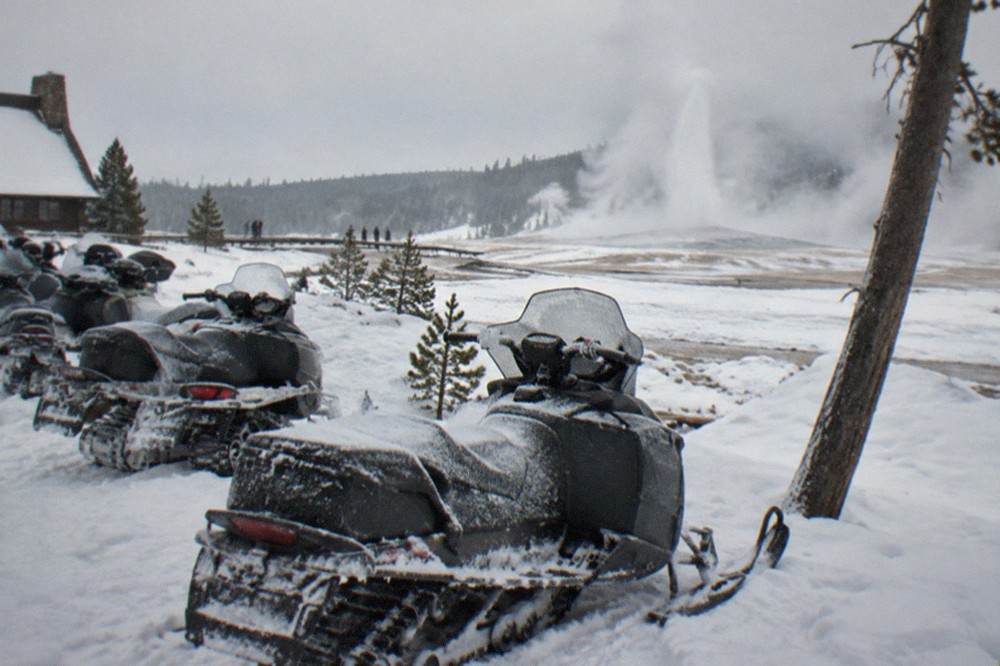
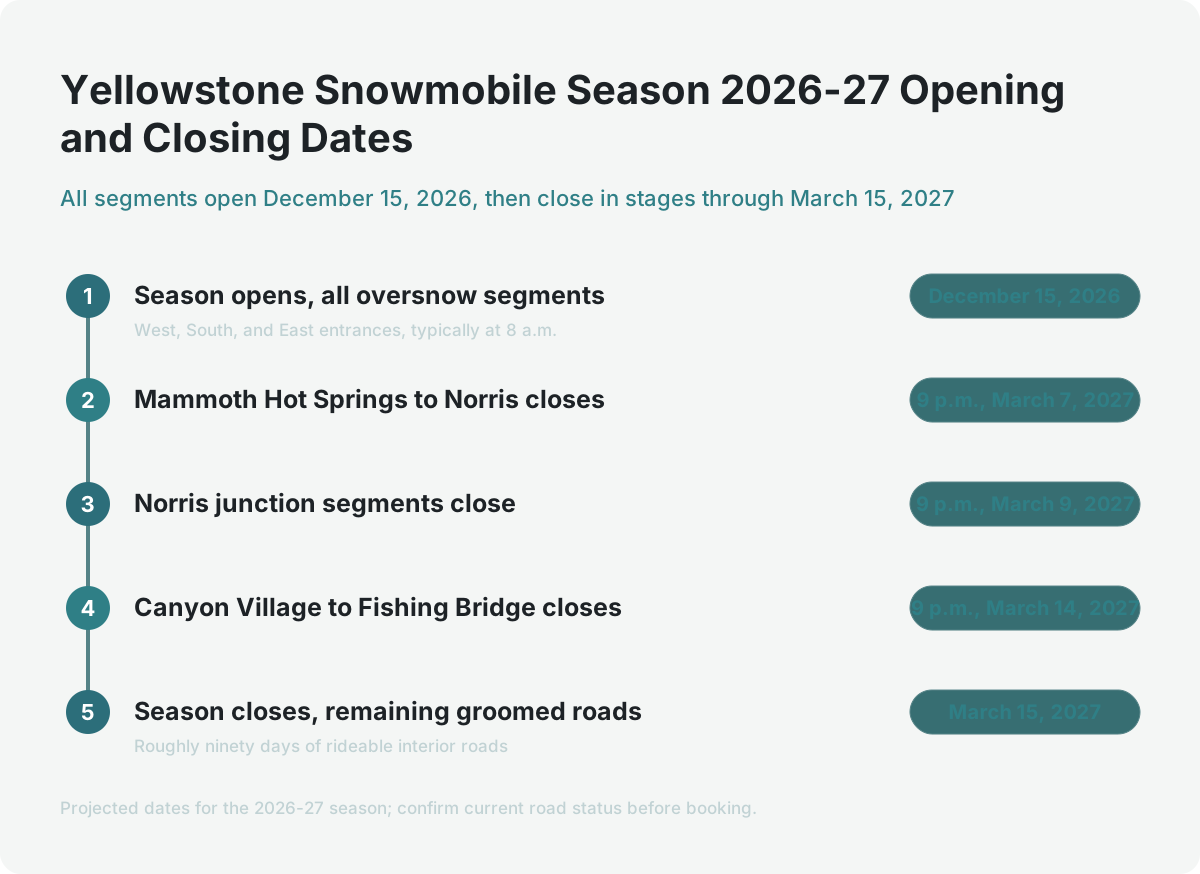
The 2026-27 projected closing is March 15, 2027 for the West, South, and East entrances and all remaining groomed roads, but several interior segments shut earlier in stages: Mammoth to Norris closes 9 p.m. March 7, the Norris junction segments close 9 p.m. March 9, and Canyon Village to Fishing Bridge closes 9 p.m. March 14.
That stagger matters if your heart is set on a specific route. A tour built on the northern interior segments loses its road a full week before the South Entrance corridor does. The Scenic Safaris trips that enter from Jackson through the South Entrance keep running latest, because the South Entrance road and the segments it feeds hold until the final day. If you want the latest possible ride of the winter, the second week of March is the sweet spot, and the Old Faithful route out of Jackson is the natural pick.
Oversnow travel hours frame each day as well. Travel is permitted 7 a.m. to 9 p.m. daily, except that the East and South entrances open at 8 a.m., and overnight parties must be off the road by 9 p.m. on their final day. Daylight travel is the recommendation, which is one reason full-day tours run ten to twelve hours door to door: pickup in Jackson around 6 a.m., riding by mid-morning, and back before dark. The hour rules are not suggestions; they are conditions on every commercial permit, and a guide who misses the exit window answers for it.
| Oversnow rule | Applies to | Hours or date |
|---|---|---|
| Daily travel window | All groomed roads | 7 a.m. to 9 p.m. |
| Late opening | East and South entrances | Open 8 a.m. |
| Final-day exit | Overnight permit parties | Off road by 9 p.m. |
| Season close, most roads | West, South, East entrances | March 15, 2027 (projected) |
Full-day in-park options at this end of the winter tend to sell down to single seats, which is a separate problem from the dates themselves and one we treat in the best month to snowmobile in Yellowstone guide. For now, treat March 15 as the wall. After it, the groomers stop, the warming huts close, and the park begins the long mechanical spring of clearing the same roads for cars again by late April.
Which Roads Open First, And Which Close Early?
On the projected 2026-27 calendar every oversnow segment opens the same day, December 15, 2026. The differences are all at the far end: the Mammoth-to-Norris segment closes first, on March 7, the Norris junction segments on March 9, Canyon to Fishing Bridge on March 14, and everything else on March 15.
The table below is the one to screenshot before you choose a tour.
| Road segment | Opens (projected) | Closes (projected) |
|---|---|---|
| Mammoth Hot Springs to Norris | Dec 15, 2026 | 9 p.m., March 7, 2027 |
| Norris to Madison, Norris to Canyon, Canyon to Washburn Hot Springs Overlook | Dec 15, 2026 | 9 p.m., March 9, 2027 |
| Canyon Village to Fishing Bridge | Dec 15, 2026 | 9 p.m., March 14, 2027 |
| West, South, and East entrances and all remaining groomed roads | Dec 15, 2026 | March 15, 2027 |
| North Entrance to Northeast Entrance (Gardiner to Cooke City) | Open year-round to cars | No oversnow closure |
Two practical readings fall out of that grid. First, the Old Faithful and Grand Canyon routes from the south hold the full season, so a Jackson-based rider loses nothing by booking late February or early March. Second, the earliest-closing segments serve the northern interior, and a tour operator whose itinerary depends on them will stop selling those dates well before March 7, not on it. Grooming, fuel caches, and warming huts wind down on the park's schedule, not on the calendar page.
The late-season logic extends to what you see, not just whether you ride. March light in the interior is longer and lower than January's, which changes the look of the canyon walls and the geyser steam columns. Wildlife in March is starting to move with the thaw; bison that spent January packed onto thermal patches begin spreading toward the valleys. A rider chasing photographs often prefers the last week of the season, while a rider chasing deep cold and empty trails prefers the middle.
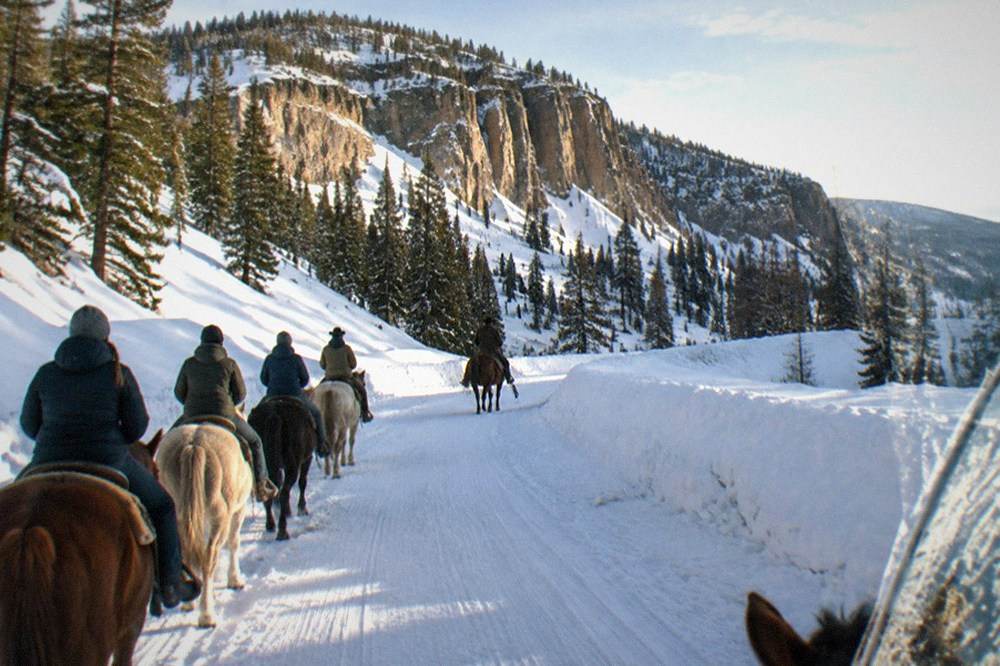
The snowcoach alternative shares the identical window, because a snowcoach tour runs on the same groomed roads. The Old Faithful snowcoach from Jackson Hole, rated 4.8 across 227 reviews and listed from $450, covers the same corridor in a heated vehicle. Its current availability should be confirmed on the live listing for the season you are targeting; winter-only products sometimes show as unavailable in the off-season booking system. Where a rider wants the sled experience but the calendar or the cold argues against it, the snowcoach is the honest fallback, and we break the comparison out fully in the Yellowstone snowcoach tours guide.
How Do The 2026-27 Season Dates Shape Your Booking Window?
The rideable window is December 15, 2026 to March 15, 2027, roughly ninety days, and demand stacks into the holiday weeks and February, so the dates that feel far away are the ones that sell out first. A tour date inside the window is not the same as a seat on the sled for that date.
The Old Faithful full-day snowmobile tour from Jackson Hole is the clearest example on this roster. It is rated 4.6 across 338 reviews, runs about ten to twelve hours with hotel pickup in the Jackson area, and is listed from $475. Those numbers describe the most in-demand in-park sled product this site covers, and the dates that go first are the ones everyone wants: the week between Christmas and New Year, and the February stretch around Presidents Day. A midweek day in mid-January or the second week of March is a far easier seat, and often a better ride for wildlife and geyser viewing anyway, because the interior is quieter.
There is a second calendar running underneath the tour calendar, and independent riders need to know it exists. The Non-Commercially Guided Snowmobile Access Program admits up to four groups per day, one per oversnow entrance, through a lottery that ran August 1 to August 31, 2026 on Recreation.gov, with permits at $40 per day plus a $6 application fee. Successful applicants heard in early September, and canceled or unclaimed permits are released first-come, first-served from October 1. Commercial tours are not subject to that lottery, which is precisely why most visitors end up on a guided tour: the guided seat is available to anyone who books in time, while the self-guided seat is rationed.
Can You Ride Snowmobiles Near Yellowstone Outside The Season?
Yes, but only outside the park. National Forest terrain around Jackson Hole runs on snowpack, not on the NPS road calendar, so guided snowmobile trips in the Bridger-Teton National Forest often start earlier in December and run into April, while every in-park tour stays locked to the mid-December to mid-March window. Before you plan either option, a quick look at the basic Yellowstone facts every winter visitor should know can help you understand why the park's rules differ from the surrounding forest.
That distinction is the site's hardest line. A Jackson Hole area ride is not a Yellowstone tour and never enters the park interior. It is a different product with a different calendar, and for some travelers it is the better one: shorter, cheaper per day, and free of the entrance logistics. The Heart Six snowmobiling trip in Jackson Hole, rated 4.8 across 50 reviews and listed from $360 for roughly four hours, meets at the Buffalo Valley Cafe in Moran, Wyoming and rides forest trails in the Buffalo Valley country east of Grand Teton. For travelers weighing both options, a look at how Yellowstone National Park sits relative to Jackson Hole makes the distinction easier to picture on a map.
The practical use of this difference is calendar flexibility. If your travel dates fall in early December, before the park's projected December 15 opening, or in late March, after the closures, a Bridger-Teton ride is the snowmobile experience that is actually bookable. Riders who want both often split a trip: one in-park day on a guided tour to Old Faithful or the Grand Canyon of the Yellowstone, and one forest day playing in deep snow without the park's rules. The regulatory side of that split, guide requirements, machine standards, licensing, is covered in the Yellowstone snowmobile rules and requirements guide.
The shoulder-season play works in both directions. Early December visitors can ride forest trails while waiting for the park to open, and late March visitors can do the same after it closes, which makes a Jackson Hole base the more flexible choice for a trip that straddles the edges of the window. A West Yellowstone base, by contrast, is the choice to make when every day of your trip sits squarely inside the window and you want maximum in-park access; that trade-off is laid out in the Jackson Hole versus West Yellowstone comparison.
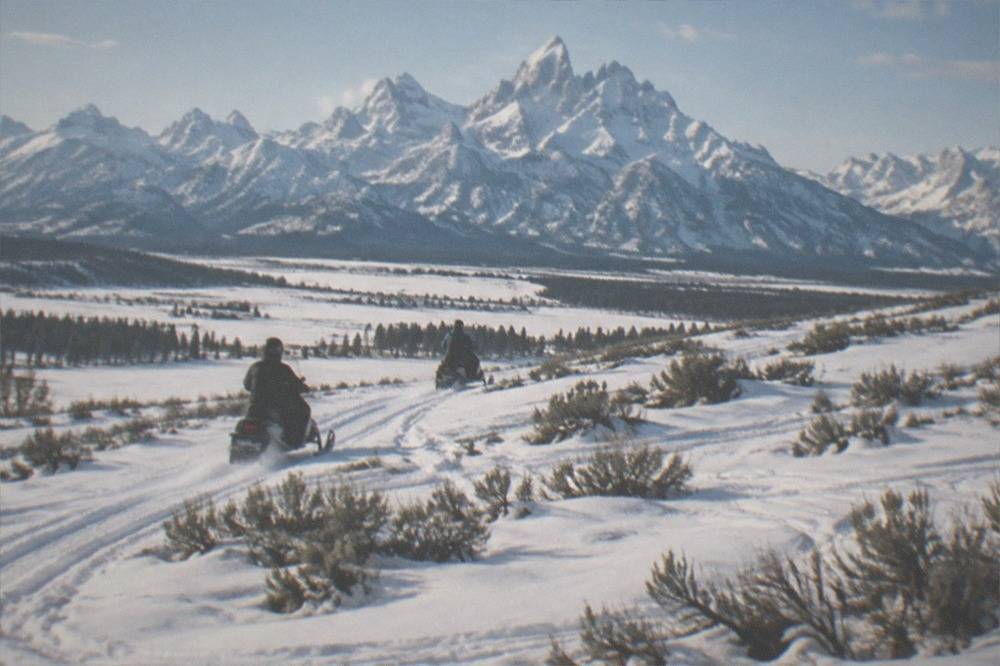
Which Month Inside The Season Fits Your Trip?
No official source publishes a season-specific ranking of the best month for 2026-27, so the honest answer is structural: December offers the freshest openings and shortest days, January the coldest and emptiest trails, February the most reliable snow with the biggest crowds, and March the warmest light and the staggered closures.
The trade-offs are consistent enough across winters to plan on. Early-season December rides carry the highest chance of a delayed grooming start, since the opening depends on snowpack, and the days are short, with the sun gone by early evening. January is statistically the quietest stretch inside the window; park-wide winter visitation has historically run well under one percent of annual totals in the deep-winter months, and the interior feels it. February is the confidence month: full snowpack, all segments open, wildlife concentrated in the valleys, and the busiest tour calendars of the season. March brings longer daylight, softer temperatures, and the closure ladder described above, which rewards riders who know which segment their route uses.
| Month | Road status | What it means for a tour |
|---|---|---|
| Mid-to-late December | All segments open from Dec 15, snowpack permitting | Fresh season, short days, watch for weather-delayed starts |
| January | Full window open | Coldest temps, emptiest trails, easiest bookings midweek |
| February | Full window open | Most reliable snow, peak demand around Presidents Day week |
| March 1-7 | All segments still open | Longer light, last days for the northern segments |
| March 8-15 | Staggered closures in effect | South Entrance corridor rides latest, to March 15 |
Budget behaves differently from snow. The months inside the oversnow window are the only months with in-park tour inventory at all, so pricing pressure concentrates there, and the cheapest days are the midweek, mid-January ones that nobody else wants. The broader cheapest-month question, lodging included, is handled in the cheapest month to visit Yellowstone post.
For travelers with a short window or a smaller budget, the shorter-format forest rides fit the shoulder edges of the season best, and a four-hour Jackson Hole trip can slot into a day that no in-park tour could fill.
What Weather Should You Expect Inside The Season Window?
Winter daytime temperatures in Yellowstone run roughly 0°F to 20°F, with sub-zero readings common at night and at the higher elevations where the snowmobile routes sit, so every date inside the December-to-March window is a cold-weather commitment regardless of which month you pick.
The dates and the temperatures move on separate clocks. The season opens when there is enough snow, but the snow comes with the cold, and the cold deepens through January before easing in March. That means a January booking is not just the emptiest month, it is also the month most likely to test your gear; guides watch for frostbite on exposed faces at those temperatures, and a moving sled adds wind chill on top of whatever the thermometer says. The what to wear snowmobiling in Yellowstone guide covers the layering system in detail, but the calendar point is simple: the later in the window you ride, the gentler the average day.
Weather also moves dates in ways the calendar cannot. The East Entrance road over Sylvan Pass can close for hours or days on avalanche danger, and no operator refunds or reschedules for weather closures. A storm in late February can shut a single day's departures across the whole park even though the season is technically wide open. This is the strongest argument for building a slack day into any winter itinerary: the season window tells you which days are possible, and the forecast tells you which days actually run.
| Season stretch | Typical daytime temps | Practical effect on a tour |
|---|---|---|
| Mid-December | Coldest starts of the season | Short daylight, fresh grooming, pack serious layers |
| January | Often the coldest month | Emptiest trails, highest gear demands |
| February | Similar cold, more wind variability | Peak season, deepest base, most departures running |
| Early March | Beginning to moderate | Longer light, calmer days |
| Mid-March | Warmest stretch of the window | Staggered closures limit which routes still run |
How Early Should You Book A Guided Snowmobile Tour?
For the holiday weeks and February peaks, book as soon as the operator's winter calendar goes live, which for most Jackson and West Yellowstone operators means the preceding summer or fall; for midweek January or the second week of March, a few weeks ahead is usually enough.
The non-commercial lottery gives the sharpest benchmark for how early serious winter riders plan. The 2026-27 lottery opened August 1, 2026 and closed August 31, with results in early September and a first-come release from October 1. People were fighting over four daily group permits in August for rides in December through March. Commercial bookings run on the same psychology with more inventory: the operators on this roster are actively taking reservations for the full projected season, and the seats that vanish first are Christmas week and the February peak.
| Booking milestone | Timing | What to do |
|---|---|---|
| Operator calendars open | Preceding summer or fall | Compare routes and lock peak dates |
| Non-commercial lottery | August 1-31, 2026 | Apply if you want to ride without a commercial guide |
| First-come permit release | From October 1, 2026 | Watch for canceled non-commercial permits |
| Season opens | December 15, 2026 (projected) | First in-park tour dates run |
| Staggered closures begin | March 7-15, 2027 | Late-season riders pick south-corridor routes |
Two rules of thumb hold across the window. First, the more specific your date, the earlier you book; a family with school-holiday constraints is shopping in the tightest part of the calendar. Second, build one slack day into any winter Yellowstone plan, because the East Entrance road over Sylvan Pass can close for hours or days on avalanche danger, and weather moves every operator's schedule. A tour booked for the day before you actually need it, with a travel day in reserve, survives a storm that a same-day arrival does not.
It is also worth booking early for reasons beyond the seat itself. Pickup times are confirmed the day before on many Jackson-area departures, group sizes are capped, and the good guides, the ones who know where the wolf packs winter and which geyser is due, get requested by name by repeat customers. Late bookers get a seat; early bookers get the seat they wanted.
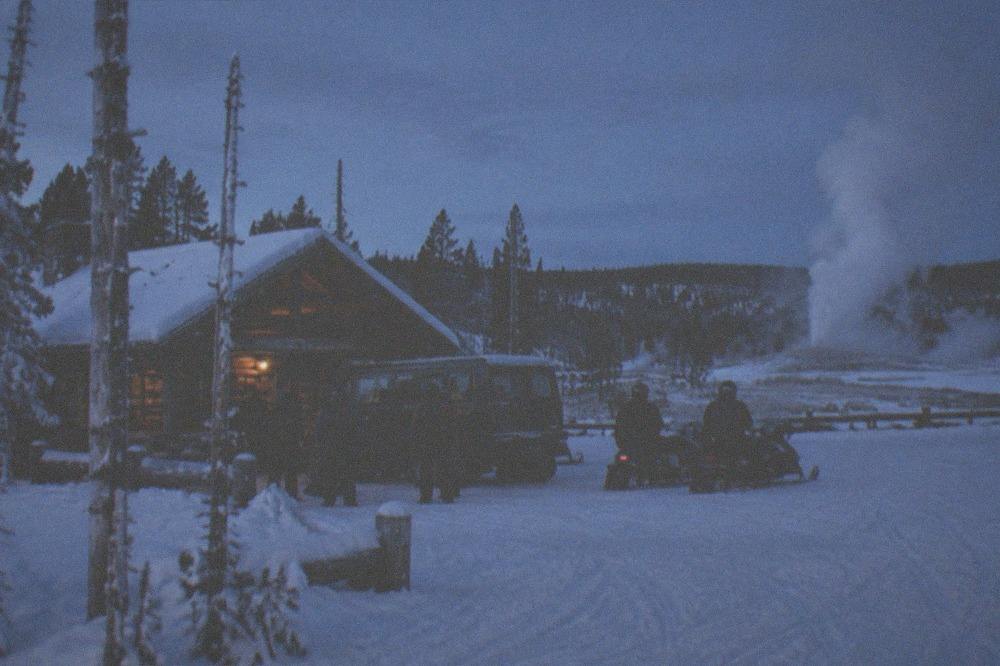
One more calendar fact worth carrying: the only way to sleep inside the winter park is the Old Faithful Snow Lodge and the winter operation at Mammoth, and those in-park beds are the scarcest winter inventory of all. If your dream trip is an eruption at first light with nobody on the boardwalk, the room is the booking to make first, and the sled seat second. Winter rooms at Old Faithful regularly sell out before the tour seats do.
Common Questions About Yellowstone Snowmobile Season Dates
When does the Yellowstone snowmobile season open?
On the projected 2026-27 calendar, the oversnow season opens December 15, 2026, typically at 8 a.m., when the West, South, and East entrances and the groomed interior roads open to guided snowmobile and snowcoach travel. The standing rule is mid-December, with exact timing dependent on snowpack.
When does the snowmobile season in Yellowstone close?
The final projected closing is March 15, 2027 for the West, South, and East entrances and all remaining groomed roads, but segments close earlier in stages: Mammoth to Norris on March 7, the Norris junction segments on March 9, and Canyon Village to Fishing Bridge on March 14, all at 9 p.m.
Can you ride a snowmobile in Yellowstone outside the mid-December to mid-March window?
Not inside the park. Interior roads are open to oversnow travel only during the winter window. Guided rides in the Bridger-Teton National Forest around Jackson Hole run on snowpack instead of the NPS calendar and can operate earlier and later, but they never enter Yellowstone's interior.
Do the March closures affect every tour the same way?
No. Routes that depend on the Mammoth-to-Norris or Norris junction segments lose their roads by March 9, while tours entering from the south, including the Old Faithful and Grand Canyon routes from Jackson, keep running until March 15. Late-season riders should pick a south-corridor itinerary.
How early do tours open for booking for the 2026-27 season?
Most operators take reservations through the preceding summer and fall, and the parallel non-commercial permit lottery ran August 1 to 31, 2026, with unclaimed permits released first-come from October 1. Christmas week and February dates sell first, so book those as early as the calendar allows.
Does the season ever open late?
Yes. The December opening depends on snowpack, and NPS frames all published dates as weather-dependent. A thin early winter can delay grooming and push the first tour departures later into December, which is why operators confirm start dates close to the season rather than months ahead.